











Entreprise
20 September 2026
Warehouse Racking Systems & Shelving Production Guide
Moving a warehouse shelving line from standard to custom profiles changes four things: too…
 08:40
08:40 Chenlong Technical Team | Corporate Technical Author | Published September 9, 2026
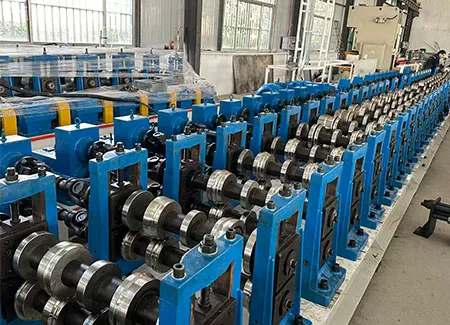
Chenlong’s cable tray cold-forming line runs raw material width from 10 to 2,000 mm, rolling thickness from 0.2 to 10 mm, and production speed from 0 to 50 m/min, across SPCC, SPHC, SGCC, stainless steel, aluminum, and SECC. This guide walks cable tray manufacturers through matching those published ranges against their own tray profile before requesting a quote.
A parameter range on a spec sheet tells you what the line’s mechanical envelope can handle in principle. It doesn’t tell you whether your specific tray profile, slot pattern, and target output rate sit comfortably inside that envelope or push against its edges. Two manufacturers can list the same width range and mean very different things by it — one might be describing a line that’s genuinely flexible across that full span with a quick changeover, another might be describing the outer limits of what’s technically achievable with a full tooling swap. That distinction matters more than the number itself when you’re evaluating a supplier.
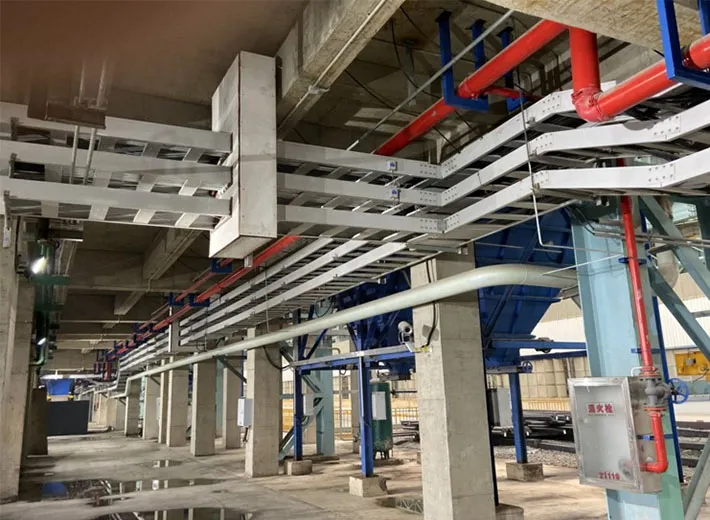
| Parameter | Published Range | Notes |
| Largeur de la matière première | 10–2,000 mm | Covers narrow channel-type trays through wide ladder/tray sections |
| Rolling thickness | 0.2–10 mm | Spans light-gauge perforated tray through heavy solid-bottom sections |
| Capacité de production | 0–50 m/min | Upper end depends on profile complexity and punching load |
| Materials | SPCC, SPHC, SGCC, stainless steel (SUS), aluminum, SECC | Material choice affects achievable speed and tooling wear |
| Servo feeder | Yaskawa, Delta, or customized | Feeder brand affects positioning accuracy at higher speeds |
Every figure above comes directly from Chenlong’s published product page for the cable tray cold-forming line. Where a figure isn’t published — exact motor power for this specific line, for instance, or a fixed changeover time — it’s marked “not disclosed” rather than estimated, because applying a number from a different Chenlong product line to this one would misrepresent the actual machine.
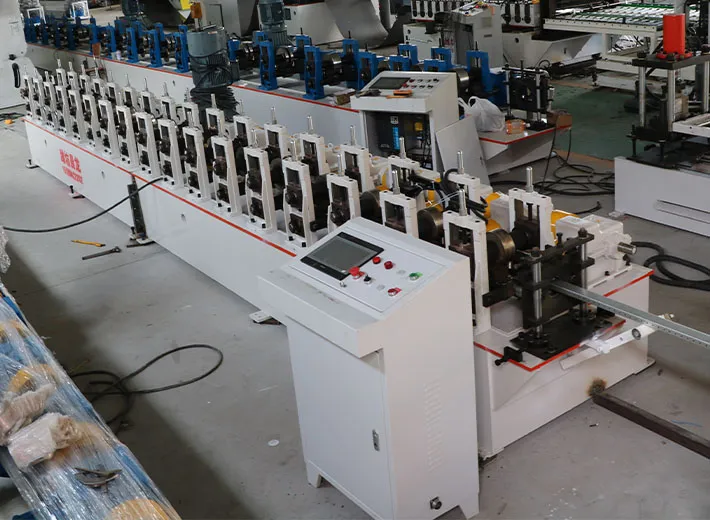
Work through your own tray specifications against the published range before requesting a quote, rather than after. This shortens the quoting cycle because Chenlong’s team is confirming a fit rather than starting from a blank drawing.
The published range describes what the equipment category can do. It doesn’t answer several things a buying decision actually depends on:
A common mistake at this stage is treating a wide published range as proof that any configuration inside it will run at similar speed and precision. In practice, a line configured toward the wide, thick-gauge end of a range and a line configured toward the narrow, thin-gauge end often use different roll station counts and tooling sets, even when both sit “inside” the same headline numbers. Confirming your specific configuration against the published range, rather than treating the range as a guarantee, is the difference between a smooth quoting process and a mid-project scope correction.
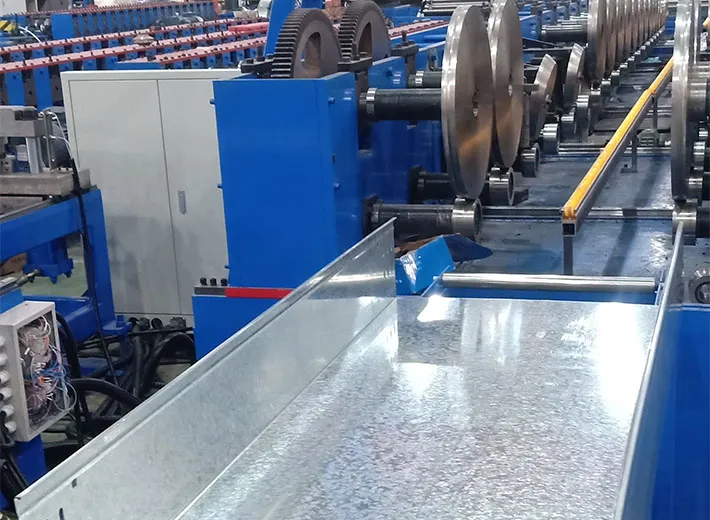
Chenlong’s standard commercial terms apply to cable tray line orders the same as other product lines: T/T or L/C payment, 30% deposit on order confirmation with the balance due after inspection and before shipment, a 20–30 business day lead time for standard equipment configurations, and 40–60 business days for custom configurations. Because most cable tray lines involve some degree of tooling customization for tray type and slot pattern, buyers should expect their specific project to fall closer to the custom lead time than the standard one unless the configuration is genuinely off-the-shelf.
Pricing itself isn’t published as a fixed range. Final pricing depends on width and thickness requirements, punching complexity, automation level, and line configuration, so it’s quoted on a project basis rather than listed as a catalog price — a project drawing or spec sheet is the starting point for an accurate number rather than the published parameter range alone.
A: The 50 m/min figure represents the equipment category’s upper capacity. Actual achievable speed for a specific tray depends on punching density and slot complexity, which aren’t captured in the headline speed figure alone.
A: Chenlong states company-level ISO 9001, CE, and SGS approvals, but certificate numbers, issuing bodies, and certification scope aren’t published for this or any specific product line. Buyers who need documentation for their own compliance file should request it directly before ordering.
A: This isn’t specified in the published range and shouldn’t be assumed. Changeover capability for specific width transitions is a configuration detail to confirm for your own project.
A: Tray type (ladder, perforated, solid-bottom, or channel), width and thickness range you need covered, target material list, target output rate, and slot/punching pattern drawings if available.
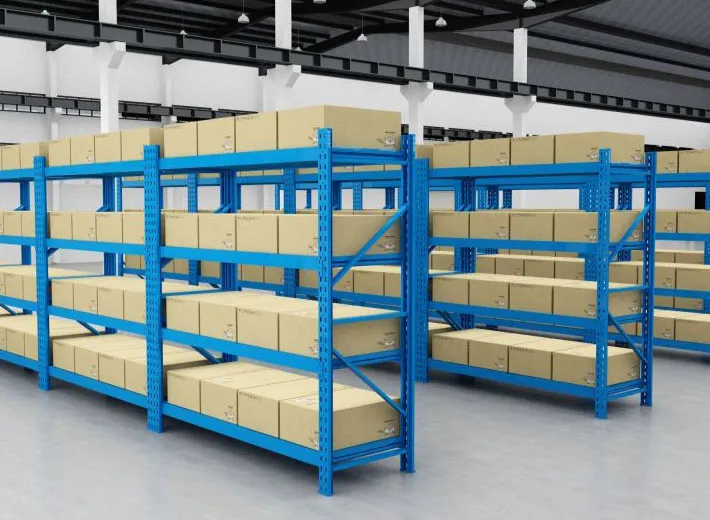
Moving a warehouse shelving line from standard to custom profiles changes four things: too…
Chenlong’s roof and wall panel line is a factory-based automated roll forming system…
Nous vous répondrons dans les 24 heures. En cas d'urgence, veuillez ajouter WhatsApp/WeChat : +8613863639320,. Ou appelez directement +8613863639320.
*Nous respectons votre confidentialité et toutes les informations sont protégées.
Nous n'utiliserons vos informations que pour répondre à votre demande et n'enverrons jamais de messages électroniques ou promotionnels non sollicités.