










Entreprise
20 September 2026
Warehouse Racking Systems & Shelving Production Guide
Moving a warehouse shelving line from standard to custom profiles changes four things: too…
 09:44
09:44 Les acheteurs d'entrepôt ne pardonnent pas les retards. Si la configuration de votre machine provoque des trous irréguliers, des changements lents ou des profils instables, vous perdez des commandes et gaspillez du coil. Cette douleur croît rapidement lorsqu'un projet nécessite des milliers de pièces. La solution est une ligne de production entièrement automatique construite autour de la bonne machine de formage à froid et d'équipements modulaires de formage.
Une ligne de production automatique pour la fabrication d'entrepôts utilise une machine de formage à froid (souvent une machine de formage à froid) pour transformer du coil d'acier en composants formés à froid—comme des montants de rack, des poutres, des pièces de rayonnage, des chemins de câbles et des structures légères en acier—à travers un processus de formage continu avec dévidoir, poinçon, coupe hydraulique et empilement. Cet article montre comment choisir les bonnes machines et modules pour les besoins de production B2B.
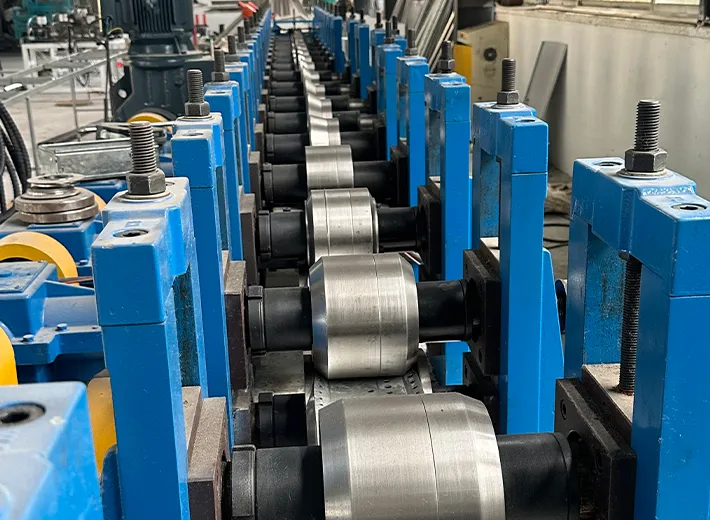
Je l'ai écrit pour des acheteurs industriels professionnels—usines de formage à froid, fournisseurs de structures en acier, fabricants de rayonnages pour entrepôts, fabricants d'enveloppes électriques, producteurs de CVC/protection incendie, et intégrateurs de projets—qui ont besoin d'une production à grande vitesse et d'une qualité constante. Vous apprendrez comment une machine de formage s'intègre dans un système de production d'entrepôt automatisé, quels modules sont importants, et comment éviter des erreurs coûteuses lors de l'achat d'une machine de formage à froid auprès d'un fabricant de machines de formage.
Équipement de formage à froid est toute machine qui façonne le métal à température ambiante ou proche—par force, pas par chaleur. Cela comprend le pliage, le poinçonnage, le découpage et le formage à froid. Une machine de formage à froid est un type spécifique d'équipement de formage à froid conçu pour des profils continus.
L'équipement de formage à froid (ou un système de formage à froid) alimente une bande (souvent d'un dévidoir) à travers une série de rouleaux pour former progressivement un profil. Ce n'est pas un processus à un coup; il s'agit d'une forme continue et contrôlée. C'est pourquoi il est idéal pour des pièces longues comme des montants de rack et des poutres.
Formage à froid vs usinage (vue rapide pour les acheteurs)
Pour les fabricants à grande échelle, le formage à froid est généralement plus rentable et crée un minimum de déchets matériels lorsque le profil se répète. L'usinage est flexible pour les prototypes, mais plus lent pour la production de masse. (Vous verrez cette réalité dans presque tous les projets de traitement du métal.)
A machine de formage à froid commence généralement avec un coil d'acier. Le coil est monté sur un dévidoir (également appelé unwinder). Ensuite, la bande est alimentée dans la machine. Le processus est continu, et il implique d'alimenter la bande à travers plusieurs stations de rouleaux.
Voici le flux de processus de formage typique :
C'est le flux de travail de base "alimenté dans la machine" que la plupart des acheteurs attendent lorsqu'ils demandent une solution de formage à froid personnalisée.
Les projets d'entrepôt ne sont que rarement "juste des racks". Dans l'approvisionnement réel, je vois les acheteurs regrouper les composants :
Un bon système de formage à froid prend en charge cette variété car le formage à froid peut produire des profils complexes à une vitesse stable.
| Famille de produits | Exemples de pièces formées à froid | Pourquoi le formage à froid convient |
|---|---|---|
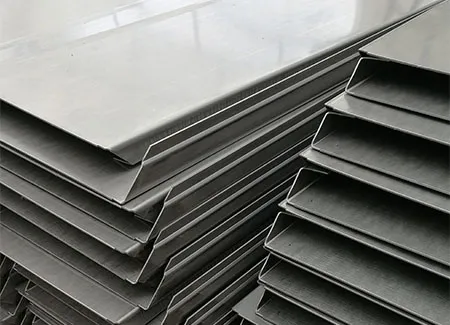
| Rayonnage | montants, poutres, brides | profils longs, motifs de trous serrés |
| Rayonnage | panneaux de rayonnage, raidisseurs | côtes constantes réduisent la déflexion |
| Gestion des câbles | chemin de câbles rails latéraux | profils répétés, bords nets |
| Cadre | montants, rails, montant en acier | sortie rapide, dimensions stables |
| Support d'enclos | cadre de porte profils | montage contrôlé |
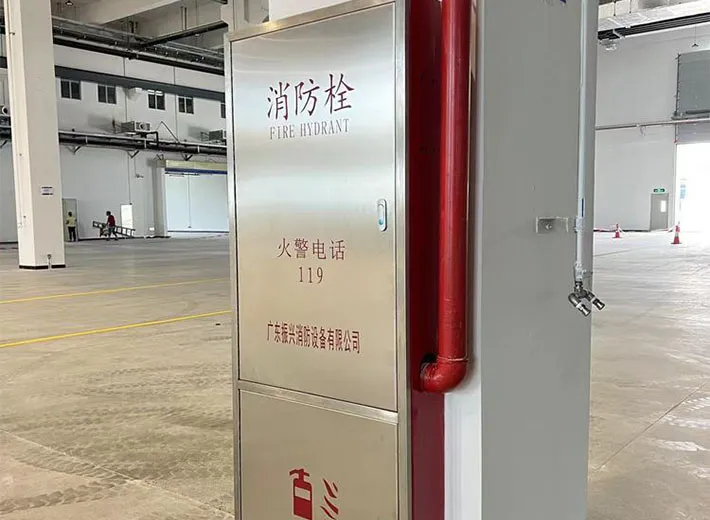
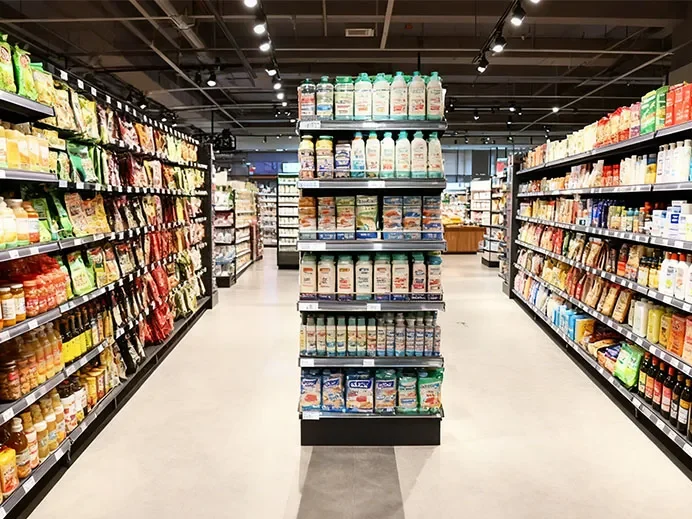
Si vous produisez également des composants de support de sécurité incendie ou de CVC, la même plateforme d'équipement de formage peut être étendue avec des matrices et des changements d'outillage. C'est pourquoi les solutions de formage à rouleaux modulaires sont attrayantes pour les partenaires OEM/ODM et les intégrateurs de systèmes.
Les acheteurs demandent souvent «types de machines de formage à rouleaux» car ils souhaitent adapter l'équipement aux familles de produits.
Voici des types pratiques de machines de formage à rouleaux dans l'écosystème des entrepôts :
Chaque type est toujours une machine de formage à rouleaux à sa base, mais l'outillage, la disposition des stations et le perçage diffèrent selon le produit.
Les systèmes de faux plafond en acier léger sont courants dans les structures de cloisons et de plafond. Si votre projet d'entrepôt inclut des systèmes intérieurs ou des modules préfabriqués, une ligne de profil en faux plafond en acier léger peut faire partie de vos besoins de production globaux, en particulier pour les entrepreneurs construisant des ensembles de structures en acier.
Lorsque j'aide les acheteurs à évaluer les machines, je demande toujours des preuves dans trois domaines : stabilité de la production, contrôle des déchets et montage.
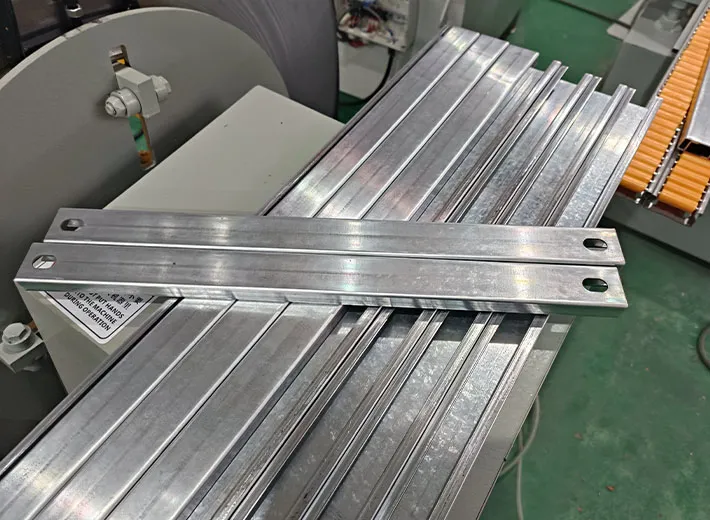
Qu'est-ce que l'équipement de formage à froid ?
L'équipement de formage à froid est une machinerie qui façonne le métal à température ambiante ou proche, en utilisant la force - comme le pliage, le découpage, le poinçonnage et le formage à rouleaux - sans chauffer la matière première. Il est prisé pour une production de masse cohérente car il peut réduire les déchets et maintenir des dimensions stables.
Qu'est-ce que l'équipement de formage à rouleaux ?
L'équipement de formage à rouleaux est un système continu qui alimente une bande de métal à partir d'une bobine à travers plusieurs stations de rouleau pour créer un profil final. Une configuration typique comprend un dérouleur, un nivellement, un poinçonnage optionnel, des supports de formage et une sortie coupée à longueur, idéale pour des pièces longues comme des montants de rayonnage et des pannes.
Quel est un exemple de formage à froid ?
Un exemple courant est la production de montants de rayonnage d'entrepôt ou la sortie d'une machine de formage à rouleaux pour pannes à partir de bobine d'acier en utilisant le formage à rouleaux. D'autres exemples incluent le découpage de supports, le poinçonnage de trous et le pliage de tôle en cadres, le tout sans chauffage.
Quel matériau est utilisé dans les rouleaux de formage à rouleaux ?
Les rouleaux de formage à rouleaux sont généralement fabriqués en acier allié durci pour résister à l'usure et maintenir la précision du profil pendant de longues séries de production. Le meilleur matériau de rouleau et le traitement thermique dépendent de l'acier que vous formez (galvanisé, inoxydable ou de haute résistance) et de la complexité du profil.
Qu'est-ce que le formage à froid laminé ?
« Le formage à froid laminé » est souvent une expression mélangée. Le laminage à froid fait généralement référence à l'amélioration de l'épaisseur de la tôle et de la finition de surface, tandis que le formage à froid laminé fait référence à la mise en forme d'une bande en un profil à l'aide de rouleaux. Clarifier ce terme aide à garantir que votre spécification de machine correspond au véritable processus.
Quelle est la différence entre le formage à froid et l'usinage ?
Le formage à froid modifie la forme du métal principalement par pression (roulage, pliage, estampage), tandis que l'usinage élimine du matériel par découpe (fraisage, tournage, perçage). Le formage à froid est souvent plus rapide et génère moins de déchets pour des profils répétitifs ; l'usinage convient aux petites séries et aux caractéristiques complexes à l'unité.
Pourquoi appelle-t-on cela le laminage à froid ?
On l'appelle le laminage à froid car le métal est laminé à température ambiante ou proche de celle-ci, contrairement au laminage à chaud qui se fait à haute température. Le laminage à froid améliore souvent le contrôle de l'épaisseur des feuilles et la finition de surface avant que la feuille n'entre dans un processus de formage.
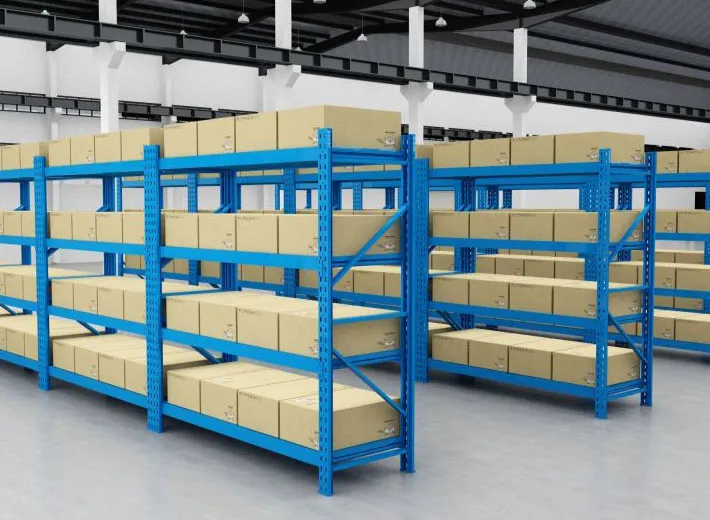
Moving a warehouse shelving line from standard to custom profiles changes four things: too…
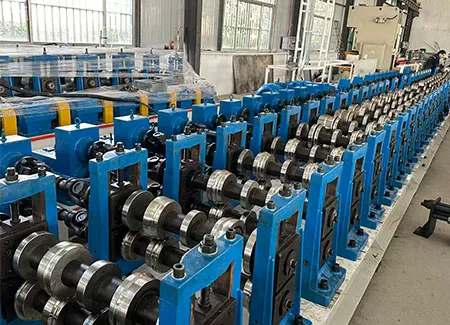
Chenlong’s roof and wall panel line is a factory-based automated roll forming system…
Nous vous répondrons dans les 24 heures. En cas d'urgence, veuillez ajouter WhatsApp/WeChat : +8613863639320,. Ou appelez directement +8613863639320.
*Nous respectons votre confidentialité et toutes les informations sont protégées.
Nous n'utiliserons vos informations que pour répondre à votre demande et n'enverrons jamais de messages électroniques ou promotionnels non sollicités.