










الشركة
30 April 2026
Fire Extinguisher Cabinet Guide: Steel Door Types, Mounting Options, Architectural Trim, and Manufacturing Solutions
A fire extinguisher cabinet is a protective box used to store a portable fire extinguisher…
 11:26
11:26 Poorly made profiles can slow assembly, weaken structures, and raise long-term costs. When a steel channel or guide rail is out of shape, the whole project feels it. The fix is simple: use cold-formed, roll formed steel profiles built for precision, durability, and repeatable output.
Cold-formed steel channel and guide rail profiles are shaped from steel strip through a continuous roll form process. They are widely used in construction, automotive, shelving, electrical systems, and industrial support systems because they offer tight tolerances, stable cross-sections, flexible customization, and efficient large-volume production.
A steel profile is any shaped metal section made for a specific job. In this case, we are talking about cold-formed parts such as a steel channel, a guide rail, reinforcement profiles, brackets, and other open steel sections. These parts start as steel strips and pass through a continuous roll form process that shapes the metal step by step without melting it. That makes the process efficient and highly repeatable for large-volume fabrication.
In daily industrial use, these roll formed steel profiles are not niche products. They are widely used in construction and industrial projects, including door and window frame profiles, cable tray parts, shelving components, guard rails, automotive rails, and custom metal support systems. Chenlong’s shaped profiles specifically highlights guide rails, brackets, door and window frames, and custom sections as part of its high-precision profile offering.
What makes formed steel appealing is not only shape. It is consistency. Buyers want stable cross-section geometry, reliable dimensional accuracy, and cleaner edges so downstream assembly goes faster. In our experience, if a profile is not straight, not square, or not punched correctly, the customer pays for the problem again during installation. That is why cold-formed steel keeps gaining ground in industrial supply chains.
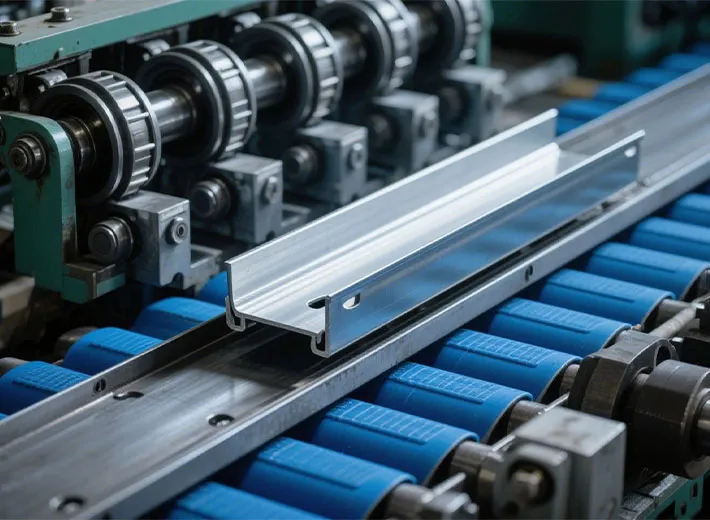
The biggest reason is speed with control. A good roll form process can produce profile after profile with very little variation. That helps ensure better fit, easier assembly, and less scrap. Compared with slower manual methods that rely on repeated cutting, welding, and bending, roll formed steel profiles support stable output and better cost control for commercial and industrial orders. Chenlong describes continuous roll forming as a way to deliver stable quality, low waste, and high output for large-volume profile manufacturing.
The second reason is flexibility. A buyer may need a light-duty shelve support today, a beam reinforcement next month, and a custom channel for a solar panel frame after that. With the right tooling and forming solution, the same production logic can be adapted to many profile families. This is why custom roll forming matters so much for OEMs. The process can be built around hole patterns, slot locations, edge details, and even special bends without rebuilding the whole factory workflow.
There is also a simple commercial reason. Profiles that are engineered to meet exact needs often use lighter steel more efficiently while preserving load-bearing capacity and structural integrity. That means the buyer can balance strength and cost instead of overbuying raw material “just to be safe.” In sectors that move fast, that is a real advantage.
The phrase different types of steel channels covers more than many buyers realize. Some projects use basic u-channels. Others require a deeper steel c profile, a reinforced open section, or a profile with return lips, ribs, or slots. There are also open profiles designed for cable routing, support systems, frame assemblies, and specialized OEM parts. In short, the market is broad, and most serious buyers are comparing more than one shape.
A useful way to group common profiles is this:
Chenlong’s show that these sections and profiles are used across warehousing, construction, electrical systems, fire protection, and automotive manufacturing. The Chenlong also mentions door and window sections, guide rails, brackets, cable tray profiles, and automotive rails among its finished applications. That broad fit is one reason roll forming solutions are attractive to manufacturers that serve more than one market.
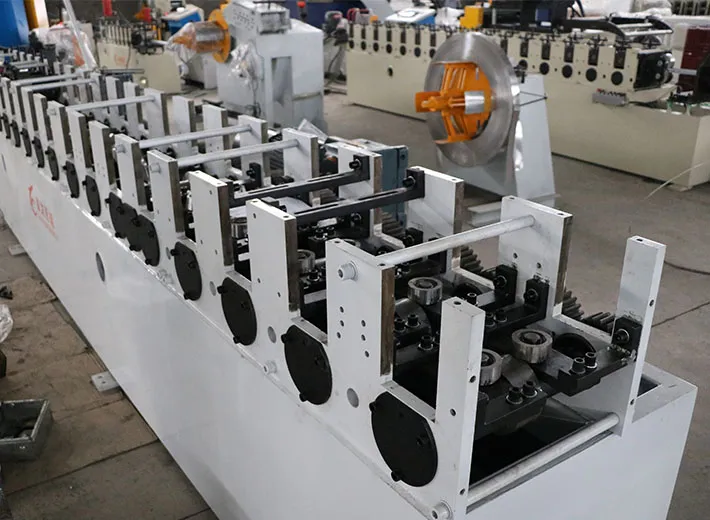
A profile is not finished when it leaves the last roll station. Many parts still need a punch pattern, a flange, a notch, or a joining step. That is why integrated auxiliaries matter. Chenlong describes CNC and hydraulic punching machines as essential for punching, shearing, trimming, bending, flanging, and stretching strip or semi-formed profiles to match design requirements.
The same is true for weld operations. Not every profile needs welding, but some do. When a profile is hollow, sealed, reinforced, or part of a more complex assembly, inline or secondary laser welding can improve structural integrity and surface quality. Chenlong’s component page says laser welding machines are suitable for seams, joints, or reinforcing parts of cold-formed profiles, especially when strong, smooth joins are needed.
In practical terms, these operations are where many projects are won or lost. You can have a good base section, but poor hole placement, uneven bends, or weak welds will still create trouble. That is why advanced roll forming is not just about rolling metal. It is about building a stable, repeatable process around the full profile requirement.
These profiles are widely used because they fit many industries. In construction and industrial sectors, they appear in framing, supports, cable management, roofing details, enclosures, steel deck systems, and other structural support systems. They are also common in door and window assemblies, where profile straightness and edge quality matter for final fit and sealing. Chenlong’s site specifically highlights modern construction applications, frame profiles, corrugated panels, gutters, steel decking, and non-standard structural sections.
In automotive manufacturing, precision matters even more. Seat slides, roof rack tracks, sunroof guide rails, reinforcement members, and other rail-based parts need consistent shape and stable batch production. Chenlong’s shaped profiles page refers directly to automotive rails and says its forming solutions support consistent dimensions and clean profile edges for industrial projects.
There are also expanding uses in new energy and infrastructure. A solar panel support profile, a cable tray channel, or a custom bracket for machinery all rely on repeatable section geometry. The same logic applies in warehouse shelving, light-duty storage systems, and guard rails for safety-related assemblies. When profiles are used in the construction of real systems, small shape errors can become large field problems. Precision is not a luxury. It is part of performance.
If a profile will face moisture, weather, or a demanding industrial environment, surface protection matters. Galvanized steel and hot dip galvanized finishes help slow rust and support longer service life. That does not remove the need for good design, but it does improve durability and surface protection in many outdoor or semi-exposed uses. Industry cold-formed steel standards and guidance also emphasize the role of proper product data, design, and material selection in long-term performance.
For buyers, this usually comes down to three questions:
يمكن أن يؤدي وجود شكل مع التشطيب المناسب إلى تحسين ثقة إعادة البيع وتقليل القلق بشأن الصيانة. كما يمكن أن يساعد في ضمان اتساق أفضل أثناء التجميع عندما يحتاج المنتج إلى شكل خارجي نظيف وثابت. للعديد من المشاريع التجارية والصناعية، قد لا يزال الصلب المدرفل على الساخن جزءًا من سلسلة التوريد، لكن الصلب البارد المُشكل مع الطلاء المناسب غالبًا ما يقدم حلًا أكثر كفاءة لإنتاج الأشكال القابلة للتكرار.
تبدأ عملية الشراء الجيدة بالاستعمال النهائي، وليس بكatalog الماكينات. اسأل ماذا يفعل الشكل فعليًا. هل هو هيكلي أم زخرفي؟ هل هو جزء من تفاصيل دعم جسر فولاذي أو إطار قناة فولاذية، أو منطقة تعزيز فولاذية أنبوبية، أو نظام رفوف خفيف؟ هل سيتم استخدام الشكل في بناء إطار المبنى، في الآلات، أو في تجميع النقل؟
ثم اطرح الأسئلة التي تشكل الحل:
تساعد هذه الأسئلة على ضمان حصول المشتري على المعدات الصحيحة، وليس فقط أقل عرض سعر. في العديد من الحالات، المورد الذي يمكنه تخصيص أدوات التعامل مع المواد وخطوات التشطيب سيخلق قيمة أكبر من بائع آلات قياسي. وهذا صحيح بشكل خاص عندما تكون الأجزاء مصممة لتلبية متطلبات التجميع المحددة والقوة والتشطيب.
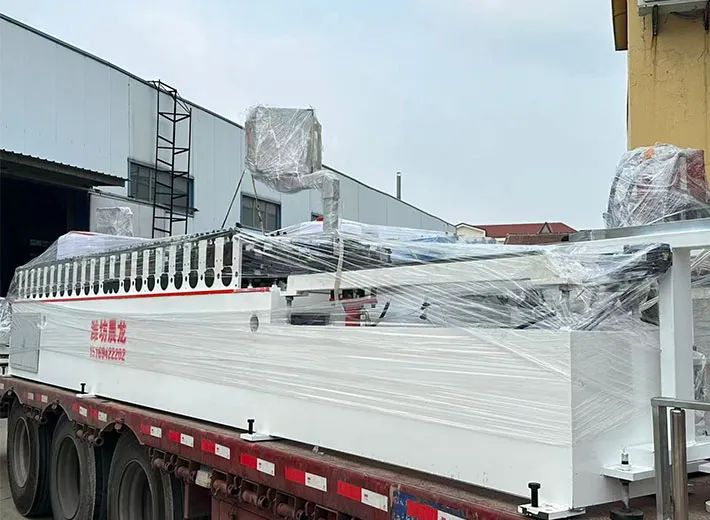
تشينلونغ تصف تشينلونغ نفسها كصانع صيني لمعدات تشكيل اللف البارد المخصصة والأشكال المصممة، وتخدم قطاعات مثل التخزين، خزانات الكهرباء، صناديق النار، مصاعد الكابلات، البناء، وصناعة السيارات. تقول الصفحة الرئيسية للشركة إن لديها قاعدة إنتاج بمساحة 10,000 متر مربع، ومراكز CNC متقدمة، وتركز على المعدات الجاهزة والأشكال عالية الدقة، بينما تسلط صفحة الخدمة الضوء على الدعم على مدار الساعة، والتصنيع الداخلي، والتثبيت والتدريب الاختياري في الموقع، وتجهيز الشحن خلال 45 يومًا للمعدات.
هذا مهم لمشتري B2B. لا ترغب الشركات المصنعة وشركاء OEM عادةً في الحصول على آلة فقط. إنهم يريدون شريكًا يفهم الشكل، الأدوات، حركة المواد، خطوات التشطيب، وهدف الإنتاج. تستدعي صفحات تشينلونغ المشترين بانتظام لإرسال الرسومات، العينات، مواصفات المواد، أو أهداف الإنتاج، وتعد بالاستجابة المخصصة خلال 24 ساعة. هذا هو بالضبط نوع سلوك المورد الذي يبحث عنه المشترون عند تقييم تشكيل اللف المخصص، والأقسام المعدنية المخصصة، ودعم تشكيل اللف المهني.
من وجهة نظر المبيعات، هذه هي النقطة التي يتحول فيها الانتباه إلى الفعل. يرى المشتري مشكلة شائعة: أجزاء غير متناسقة، تصنيع بطيء، ومعالجة يدوية زائدة. ثم يرى المشتري نقطة الاهتمام: عملية تجمع بين التغذية، والثقب، والتشكيل، والقطع، والتكديس. تنمو الرغبة عندما يمكن للمورد إظهار مرونة الشكل، القوة العالية، النهاية الجيدة، والإنتاج القابل للتوسع. يحدث الفعل عندما يشارك مالك المشروع رسمة ويحصل على حل تشكيل مبني حول احتياجات الإنتاج الحقيقية.
ما الفرق بين الأشكال المدرفلة على الساخن والأشكال المدرفلة على البارد؟
يتم تشكيل الصلب المدرفل على الساخن عند درجة حرارة عالية، بينما يتم تشكيل الأشكال المدرفلة على البارد من قولبة عند أو بالقرب من درجة حرارة الغرفة من خلال أسطوانات متدرجة. عادةً ما توفر الأشكال المدرفلة على البارد قابلية تكرار أفضل للأقسام ذات السماكة الرفيعة والحجم الكبير.
هل توفر قنوات الصلب القوة الكافية للاستخدامات الهيكلية؟
نعم، عندما يتم مطابقة شكل الشكل، ودرجة الفولاذ، والسماكة، والتطبيق بشكل صحيح. توفر قنوات الصلب الدعم، والمحاذاة، والصلابة في العديد من الأنظمة التجارية والصناعية، لكن يجب دائمًا أن يتطابق التصميم النهائي مع الحمولة المطلوبة وظروف الخدمة.
هل يمكن أن تحل منتجات الصلب المدرفلة محل التجميعات الملحومة؟
في العديد من الحالات، نعم. يمكن أن يقلل قسم تشكيل اللف المصمم جيدًا من التصنيع اليدوي ويقلل من التباين. لا تزال بعض المشاريع بحاجة إلى خطوة لحام، لكن العديد منها يستفيد من عدد أقل من العمليات الثانوية.
هل الأشكال تستخدم عادة في أنظمة الطاقة الشمسية والدعم؟
نعم. تستخدم الأشكال في توجيه الكابلات، والتعريف، وأنظمة الدعم، وهياكل الألواح الشمسية لأن العملية توفر أقسامًا قابلة للتكرار وإنتاجًا فعالًا للأجزاء الطويلة.
ما الذي يجعل الأشكال المصممة لمشاريع OEM أفضل؟
يمكن أن تقلل الأشكال المصممة وفقًا لمتطلبات المنتج من الفاقد، تبسيط التركيب، وتحسين التوافق العام. مما يجعلها مثالية للتطبيقات حيث يجب أن تظل مواقع الثقوب، وهندسة الانحناء، والتشطيب، والقطع العرضية ثابتة عبر الدُفعات.
كيف أبدأ مشروعًا مخصصًا مع تشينلونغ؟
قم بتحضير الرسم، والعينة، وبيانات المادة، والهدف الإنتاجي. تطلب تشينلونغ من المشتري مشاركة هذه التفاصيل حتى تتمكن من تقديم حل مخصص والتوصية بالمعدات المناسبة للتشكيل أو طريقة الأشكال.
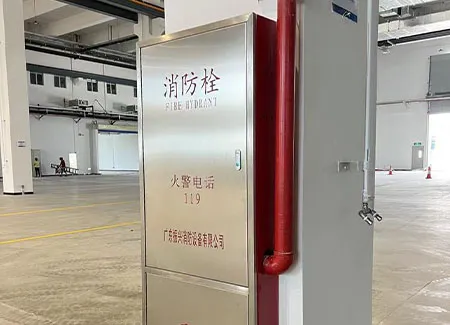
A fire extinguisher cabinet is a protective box used to store a portable fire extinguisher…
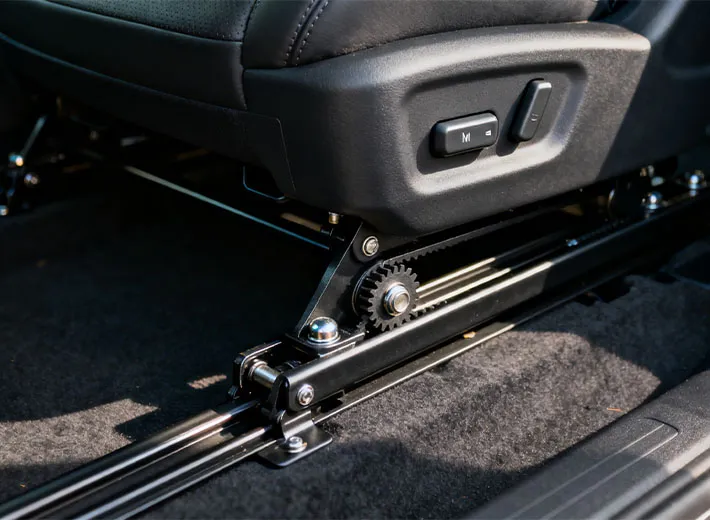
الملفات المصنوعة بشكل سيء يمكن أن تبطئ التجميع، وتضعف الهياكل، وترفع التكاليف على المدى الطويل. عندما...
سوف نرد عليك خلال 24 ساعة. إذا كانت الحالة عاجلة، يرجى إضافة واتساب/وي تشات: +8613863639320، أو الاتصال مباشرة على +8613863639320.
*نحن نحترم خصوصيتك وجميع المعلومات محمية.
سنستخدم معلوماتك فقط للرد على استفسارك ولن نرسل أبدًا رسائل بريد إلكتروني غير مرغوب فيها أو رسائل ترويجية.