










Şirket
02 September 2026
Warehouse Racking Systems and Warehouse Shelving: How to Choose the Right Storage Solution
Poor storage planning wastes floor space, slows picking, and increases product damage. The…
 14:30
14:30 Supermarket shelf makers often face weak columns, uneven frame parts, and slow manual forming. When orders grow, these small problems increase cost and delay delivery. Cold-formed steel profiles, made with a precise production line, help create stronger, cleaner, and easier-to-assemble shelving systems.
Cold-formed steel profiles for supermarket shelving systems are roll-formed steel sections used for shelf columns, beams, frames, brackets, and support parts. They help build strong, light, cost-effective supermarket rack structures. With high-precision cold bending forming equipment, manufacturers can produce stable shelf column profiles for mass production.
Cold-formed steel profiles are steel sections shaped from thin sheets of steel at room temperature. The steel is not heated like hot-rolled steel. Instead, it is formed through rollers, bending tools, punching systems, and cutting equipment. This makes cold-formed steel suitable for many light but strong frame products.
In supermarket shelving systems, these profiles are used for shelf columns, shelf frames, support beams, side panels, back panels, cross braces, brackets, and other rack parts. A shelf column cold formed steel profile must be straight, accurate, and easy to connect by bolt or slot structure.
For manufacturers, the key value is repeatability. A good production line can make the same steel section again and again. This helps supermarket shelf factories improve assembly speed, reduce rework, and control overall cost.
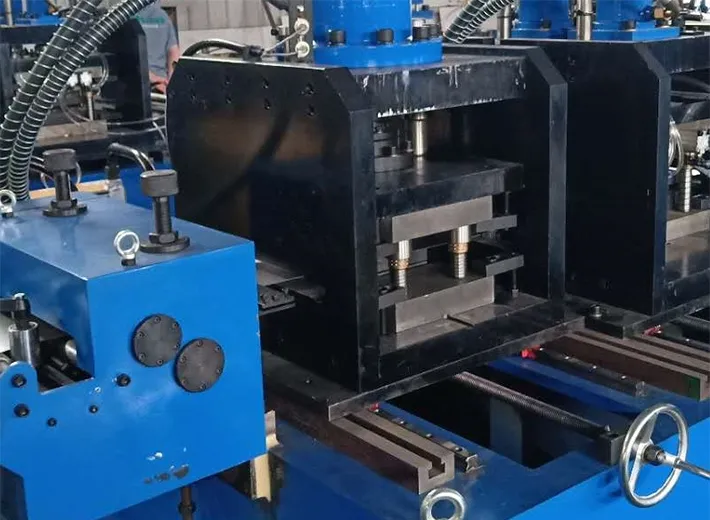
Cold-formed steel is suitable for supermarket shelving because it offers a strong shape with controlled material use. A steel sheet can be formed into a C section, U section, box-like profile, or custom frame shape. The shape adds strength without using very thick material.
A supermarket rack does not only need strength. It also needs clean appearance, accurate holes, easy assembly, and good surface finish. Cold form production helps meet these needs because the profile can be designed for the final shelf structure.
For example, a column cold formed steel section may include slots for shelf brackets, flanges and web for strength, and folded edges for safer handling. A well-designed profile can carry load, support fast installation, and look professional in a retail store.
Cold-formed steel and hot-rolled steel are both important steel products, but they serve different needs. Hot-rolled steel is formed at high temperature and is often used for heavy structural steel beams, large steel buildings, bridges, and main load-bearing structures.
Cold-formed steel is shaped from sheet steel or strip steel at room temperature. It is common in light-gauge steel framing, rack systems, wall panels, floor joists, studs, channels, and other thin steel structural systems. It is lighter than many hot-rolled sections and can be produced with accurate shapes.
For supermarket shelving systems, cold-formed steel is often more practical than hot-rolled steel because the parts need accurate slots, thin walls, neat edges, and mass production efficiency.
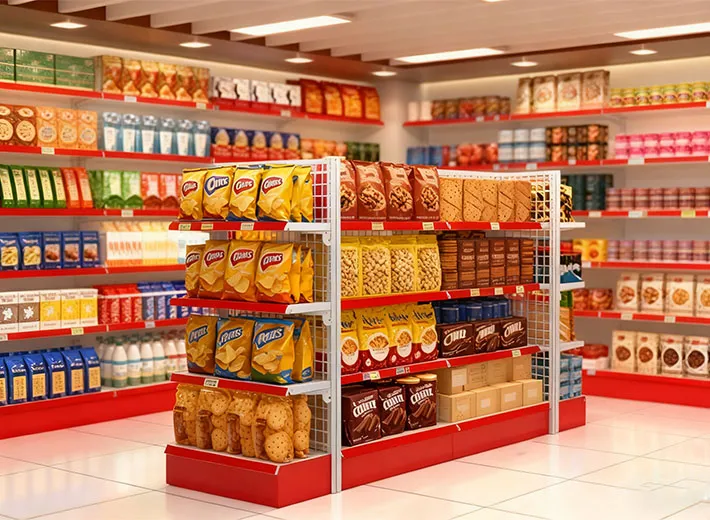
Supermarket shelving uses different steel section designs depending on load, style, and installation method. Some shelves are light-duty display racks. Others carry heavy goods in wholesale stores or warehouse-style supermarkets.
Common formed steel section for supermarket applications include:
Each steel section has a job. The column supports vertical load. The frame keeps the shelf stable. The beam supports the shelf panel. The brace resists movement and shear. The bolt or hook connection helps with quick assembly.
In a good shelving system, every profile works together. If one profile is poorly formed, the whole shelf may become harder to assemble.
Cold-formed steel framing improves supermarket shelf strength by using shape instead of only thickness. A thin steel profile can become much stronger after forming because the folded edges, flanges, webs, and ribs help resist bending.
This is why cold-formed steel sections are common in many building applications and rack products. The same basic idea is used in cfs framing, light gauge steel, metal building components, and cold-formed steel building systems. Shape creates strength.
For supermarket shelves, good framing design also improves assembly. Slotted columns allow adjustable shelf levels. Accurate holes make bolts fit better. A clean frame allows workers to install parts faster. This helps manufacturers ship products that are easy to install on site.
A simple strength idea looks like this:
Flat sheet steel → weak and flexible
Folded cold-formed profile → stronger and easier to assemble
This is the beauty of cold form technology. Smart shape turns thin steel into a useful structural part.
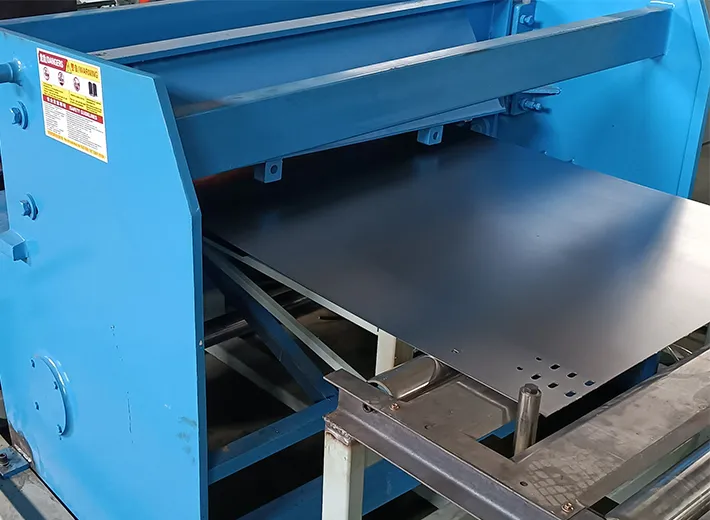
The benefits of cold-formed steel are very practical for supermarket rack manufacturers. It helps reduce material cost, improve production speed, and create accurate parts for assembly.
Main benefits include:
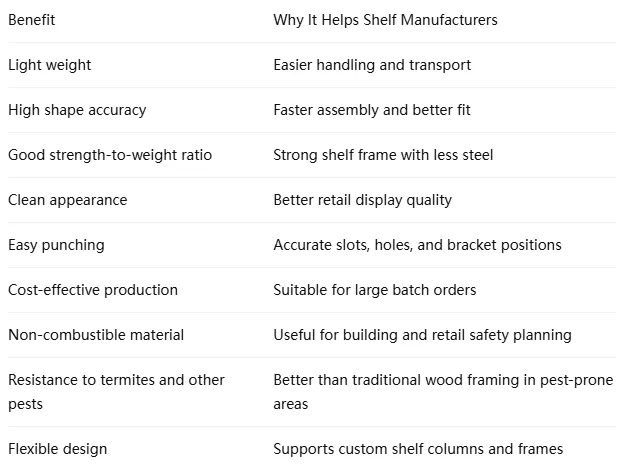
Cold-formed steel is also a cost-effective alternative to traditional wood framing in many construction projects. For shelving, the comparison is different, but the value is similar: steel is stable, clean, and durable.
A supermarket shelf must look good every day. It must also survive loading, unloading, cleaning, and daily customer use. A stable cold-formed steel frame helps make that possible.
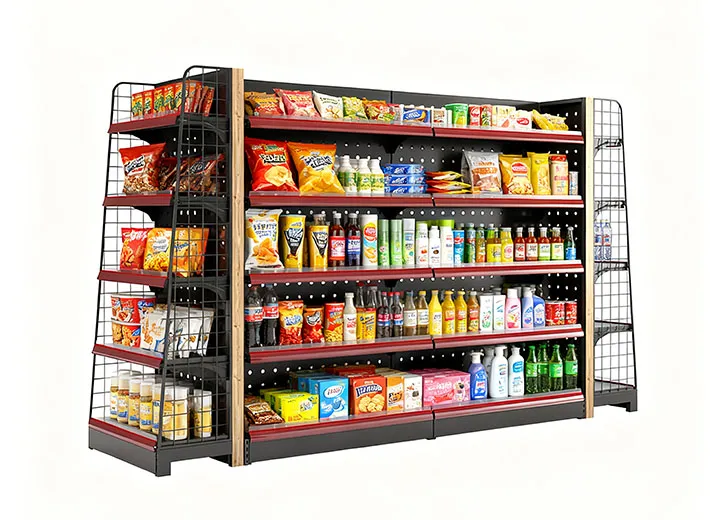
A customized production line can make many types of cold-formed steel profiles for supermarket shelving and storage rack products. The final shape depends on the drawing, material thickness, hole pattern, and connection method.
Typical profile types include:
For some factories, one line produces only one key profile. For others, a machine may be designed with changeable tooling or a family of similar profiles. The right choice depends on order volume and product range.
This is where production planning matters. A factory that makes supermarket shelves may also produce warehouse shelving, display rack frames, cold formed steel buildings accessories, or metal building light-frame profiles. Good equipment planning helps the buyer serve more markets.
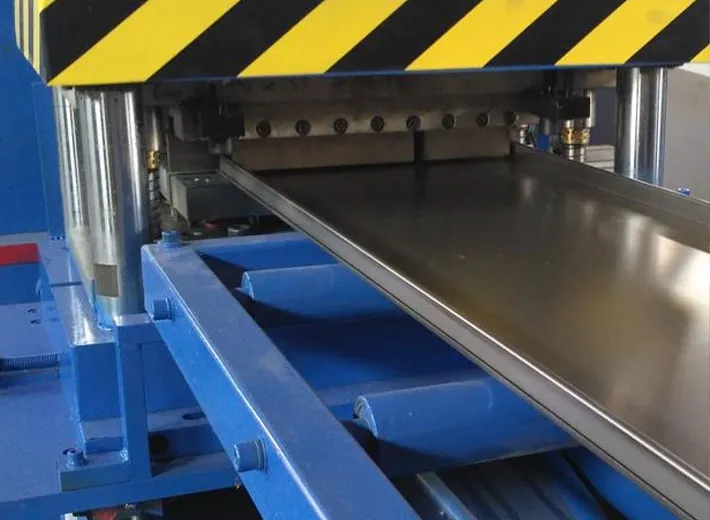
A roll forming machine produces shelf column profiles by feeding steel strip through several roller stations. Each station bends the material a little. After all forming steps, the machine creates the final profile shape.
A typical process is:
Steel Coil → Leveling → Servo Feeding → Punching → Roll Forming → Cutting → Finished Profile
The punch system makes slots, holes, or notches before forming. This is important for supermarket shelf columns because bracket positions must be accurate. If the slot pitch is wrong, the shelf level will not fit well.
The roll forming section creates the profile shape. The cutting unit cuts the part to length. Some production lines also include automatic stacking to reduce labor work.
Chenlong designs high-precision cold bending forming equipment for this kind of profile production. We study the customer’s steel section drawing, material thickness, slot pattern, frame size, and production demand before making the machine plan.
Before buying a production line, buyers should prepare clear product information. A product photo is helpful, but it is not enough. A machine supplier needs profile drawings, material details, hole layout, and output targets.
Buyers should confirm:
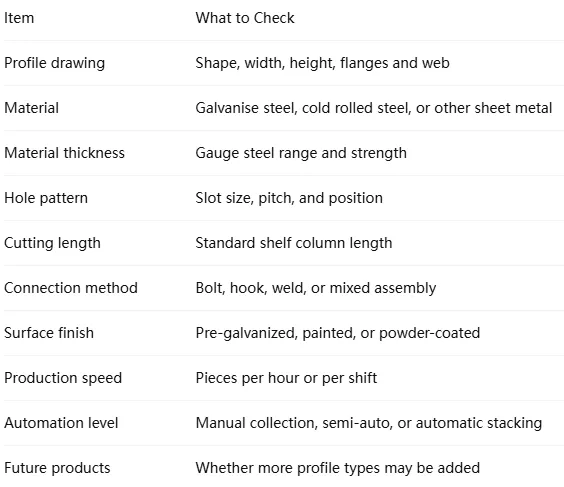
A good design should also consider shear force, bending load, frame stability, and rack use. For heavy retail shelves, the frame may need stronger sections. For lighter display shelves, appearance and material saving may matter more.
The goal is not just to make a machine. The goal is to build a production system that supports stable quality and long-term orders.
Weifang Chenlong Akıllı Teknoloji Co, Ltd. is a high-tech company based in Shandong, China. We specialize in high-precision cold bending forming equipment and customized automated production lines for metal profile processing.
For supermarket shelf manufacturers, Chenlong can help design production equipment for shelf column cold formed steel, column cold formed steel section profiles, frame profiles, steel channel parts, shelf beam profiles, and related rack components. Our solutions serve manufacturers, distributors, and OEM partners who need accurate, efficient, and scalable production.
Chenlong can support:
We do not only sell a machine. We help customers think through the full production process. How does raw steel enter the line? Where should punching happen? How can the profile avoid twisting? How will workers collect the finished frame parts? These details affect real factory output.
Cold-formed steel profiles are used in many building types and industrial products. They appear in cold-formed steel construction, steel structures, cold formed steel buildings, wall systems, floor systems, studs, joists, headers, channels, and many light-frame building applications.
For Chenlong customers, this matters because the same forming technology can support more than one market. A factory may start with supermarket rack profiles, then expand to warehouse shelving columns, cable tray profiles, electrical cabinet frames, metal building accessories, or construction profiles.
Cold-formed steel members are widely used because they combine light weight, stable shape, and flexible design. In some building construction projects, they offer a cost-effective material choice compared with heavier steel sections or traditional wood framing.
However, buyers should remember one important point: shelving profiles and structural building profiles are not the same product. Load, building codes, testing, and engineering requirements are different. A professional machine plan should respect the final use.
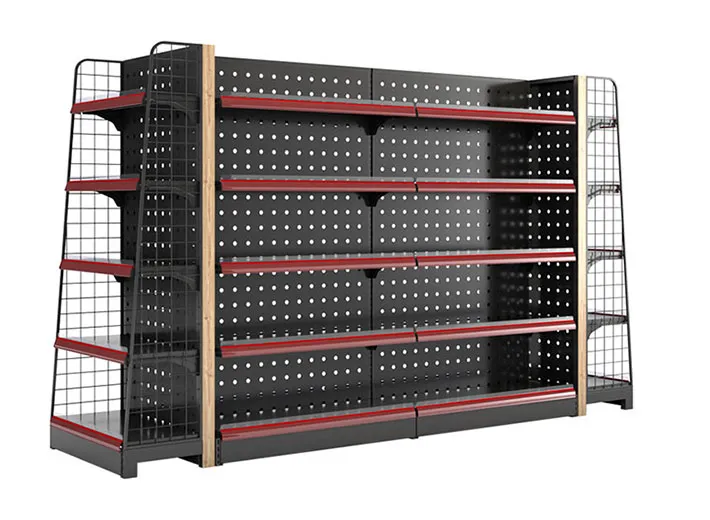
Surface finish is important for supermarket shelving because the final product is visible to customers. A shelf frame should look clean, smooth, and professional. Raw steel often needs galvanising, painting, or powder coating, depending on the product.
Welding may be used for some rack parts, but many supermarket shelves rely on bolt, hook, and slot assembly. A good cold-formed profile should support the chosen connection method. If the hole is too small, the bolt does not fit. If the slot is weak, the shelf bracket may not sit well.
Assembly details decide whether the shelf is easy to install. A well-made frame can reduce erection time, improve alignment, and help workers finish projects faster. This improves customer satisfaction and repeat orders.
Chenlong understands the link between profile design and production efficiency. A nice drawing is only the first step. The real challenge is producing the same profile every day with stable quality.
As a manufacturer of customized automated production lines, Chenlong helps customers build equipment around their products. For supermarket shelving, we can design solutions for steel column profiles, frame parts, shelf beams, slotted channels, and other formed steel sections.
Our strengths include:
If you want to make supermarket shelving systems with better accuracy, faster output, and lower labor cost, Chenlong can help you turn your profile drawing into a real production line.
Cold-formed steel is steel shaped at room temperature from sheet steel or strip steel. It is commonly used for studs, joists, channels, frames, rack profiles, and light-gauge steel products.
Cold-formed steel is strong, light, accurate, and cost-effective. It can be formed into shelf columns, frame profiles, beams, and support parts with slots and holes for easy assembly.
A shelf column cold formed steel profile is a vertical upright profile used in supermarket shelving systems. It often includes slots or holes for adjustable shelf levels and bracket connection.
No. Cold-formed steel is shaped at room temperature from thin steel. Hot-rolled steel is formed at high temperature and is often used for heavier structural steel sections.
Yes. Chenlong can customize production lines based on profile drawings, material thickness, hole patterns, profile length, output target, and factory layout.
You should provide profile drawings, material type, material thickness, hole or slot layout, required cutting length, production speed target, surface finish needs, and expected automation level.
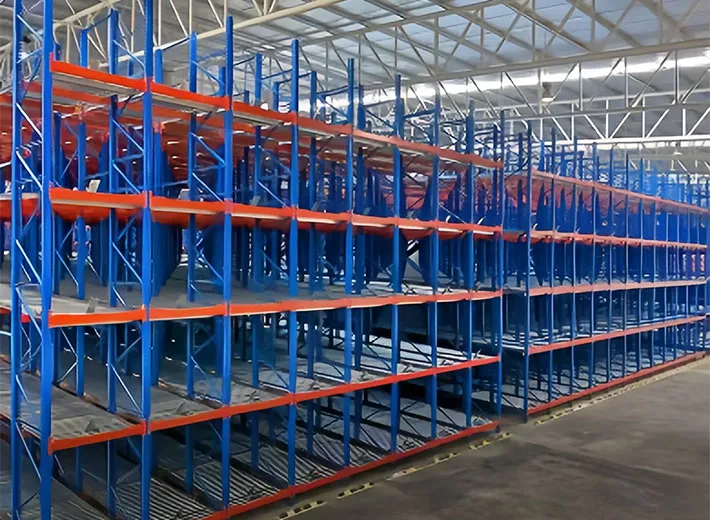
Poor storage planning wastes floor space, slows picking, and increases product damage. The…
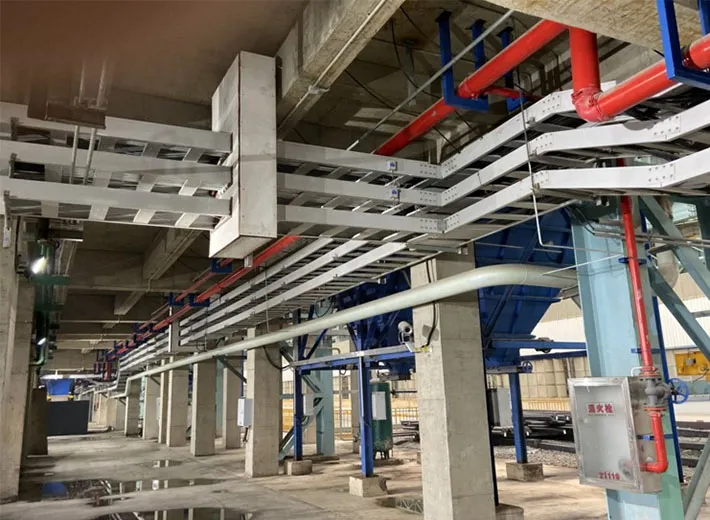
Loose electrical lines create blocked access, poor airflow, slow maintenance, and higher d…
Size 24 saat içinde cevap vereceğiz. Acil durum için lütfen WhatsApp/WeChat ekleyin: +8613863639320,. Veya doğrudan +8613863639320'u arayın.
*Gizliliğinize saygı duyuyoruz ve tüm bilgiler korunuyor.
Bilgilerinizi yalnızca sorunuza yanıt vermek için kullanacağız ve asla istenmeyen e-postalar veya tanıtım mesajları göndermeyeceğiz.