











Empresa
30 April 2026
Fire Extinguisher Cabinet Guide: Steel Door Types, Mounting Options, Architectural Trim, and Manufacturing Solutions
A fire extinguisher cabinet is a protective box used to store a portable fire extinguisher…
 10:50
10:50 Fire extinguishers save time in emergencies, but poor storage can slow people down. A weak or badly placed fire extinguisher cabinet may block access, rust too fast, or fail in daily use. The right cabinet improves safety, visibility, and long-term protection.
A fire extinguisher cabinet is a protective box used to store a portable fire extinguisher in commercial, industrial, and public buildings. Common options include surface mount, recessed, and semi-recessed cabinets, with steel, stainless steel, aluminum, fiberglass, or acrylic door designs selected based on safety needs, installation space, and environment.
A fire extinguisher cabinet is a storage and protection unit for a portable fire extinguisher. It keeps the extinguisher in a fixed location, protects it from impact, dust, rust, moisture, and misuse, and helps people find it quickly during an emergency.
In commercial and industrial buildings, a fire extinguisher cabinet is more than a simple metal box. It supports fire safety, building organization, and long-term equipment protection. You can find these cabinets in factories, warehouses, schools, hospitals, hotels, shopping centers, office buildings, parking areas, and electrical rooms.
For manufacturers, the cabinet is also a typical sheet metal and profile-forming product. It may include a cabinet tub, steel door, hinge, lock, trim, holder, mounting hole, acrylic window, breakable panel, or recessed frame. Each part needs stable dimensions. If the door does not close well, if the trim is uneven, or if the mounting hole is wrong, the finished cabinet will not meet project expectations.
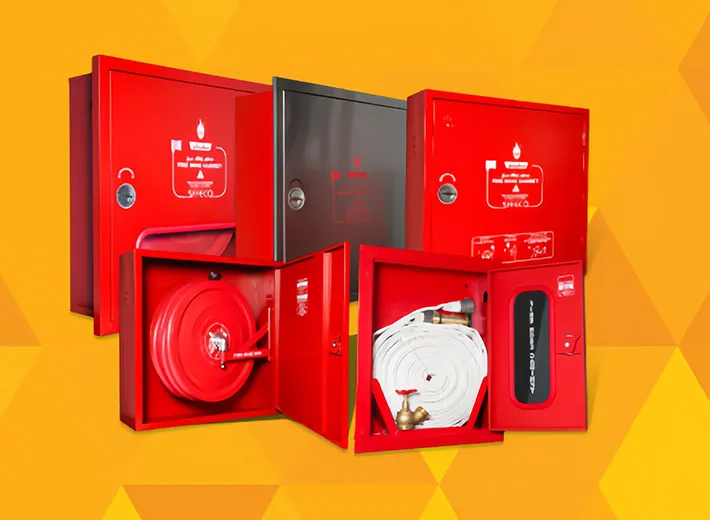
Steel fire extinguisher cabinets are widely used because steel is strong, cost-effective, easy to form, and suitable for batch production. A steel cabinet can protect the extinguisher from daily impact in corridors, workshops, public buildings, and industrial environments.
Compared with a simple wall bracket, a cabinet gives better protection. It helps keep the fire extinguisher clean and visible. It also reduces the chance of accidental movement or damage. For busy locations, this matters. A fire extinguisher should be ready when people need it.
From a manufacturing view, steel is also suitable for cold roll forming, punching, bending, cutting, and welding. With the right cold roll forming equipment, manufacturers can produce cabinet profiles, door frames, trim sections, reinforcement profiles, and mounting structures with stable quality.
Common steel cabinet features include:
For B2B buyers, this means steel fire extinguisher cabinets are suitable for both standard catalog products and custom OEM cabinet projects.
The mounting style affects installation, appearance, wall projection, and cost. The three most common options are surface mount, recessed, and semi-recessed fire extinguisher cabinet designs.
A surface mount fire extinguisher cabinet is fixed directly onto the wall surface. It is easy to install and does not require cutting into the wall. This type is common in factories, warehouses, workshops, machine rooms, and retrofit projects. It is practical, fast, and budget-friendly.
A recessed cabinet sits inside the wall. Only the cabinet door and trim remain visible. It gives a cleaner architectural look and reduces wall projection. This is often used in schools, hospitals, hotels, offices, and commercial corridors.
A semi-recessed fire extinguisher cabinet is partly inside the wall and partly outside the wall. It is a good choice when the wall is not deep enough for a fully recessed cabinet but the project still needs a cleaner appearance.
For manufacturers, each mount type requires different profile dimensions, trim design, door structure, and cabinet tub depth. This is why custom roll forming and precision punching are important in cabinet production.
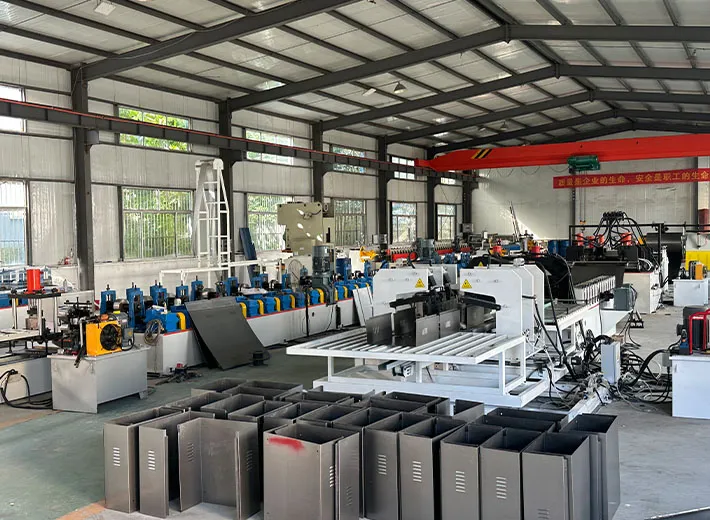
The door is one of the most visible and functional parts of a fire extinguisher cabinet. A good cabinet door should open smoothly, close securely, and allow quick access during an emergency.
Common door types include:
An acrylic door is popular because it allows people to see the fire extinguisher inside the cabinet. It is lighter than glass and suitable for many indoor applications. A break-glass door or breakable panel may be used in emergency-focused areas where quick access is needed.
A solid steel door gives better protection, especially in industrial locations. However, it should include clear labeling so users can identify the fire extinguisher location quickly. For clean or high-end buildings, stainless steel or architectural trim can improve the appearance.
Important door hardware includes:
Some buyers search for cabinet styles related to JL Industries, Ambassador, Classic Series, Economyline, or Cosmopolitan cabinet designs. For manufacturers, the key is not to copy a brand. The real value is to produce your own cabinet structure with stable door quality, accurate trim, clean edges, and repeatable dimensions.
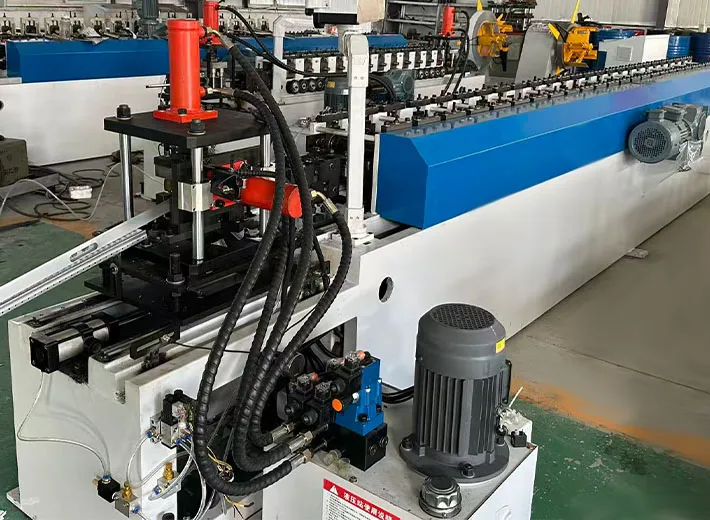
Material selection depends on location, project budget, appearance, and environmental conditions. No single material fits every project.
Painted steel is suitable for most indoor commercial and industrial projects. It is strong, economical, and easy to process. It is often used for general fire extinguisher cabinet production.
Stainless steel is a better choice for wet, humid, clean, or corrosive environments. A stainless steel fire extinguisher cabinet is often used in hospitals, laboratories, food processing plants, public buildings, and marine-like environments.
Aluminum is lightweight and clean-looking. An aluminum fire extinguisher cabinet may be used in architectural projects where weight and appearance matter.
Fiberglass and HDPE cabinets are more common in outdoor, chemical, marine, or harsh environments. They resist rust and corrosion better than basic steel, but their production process is different from metal cabinet production.
The term ADA compliant is often used when fire extinguisher cabinets are installed in public buildings, corridors, schools, hospitals, offices, and commercial spaces. In simple terms, it means the cabinet should not create access problems for people using the building.
For cabinet selection, this usually affects wall projection, mounting height, and access path. A surface mount cabinet may extend from the wall. In some public areas, this can create a walking hazard or accessibility issue. A recessed or semi-recessed fire extinguisher cabinet can help reduce projection.
Important planning points include:
For manufacturers, ADA-focused projects often require more accurate trim design and cabinet depth control. A clean recessed or semi-recessed cabinet depends on stable formed steel profiles, accurate cutting, and reliable assembly.
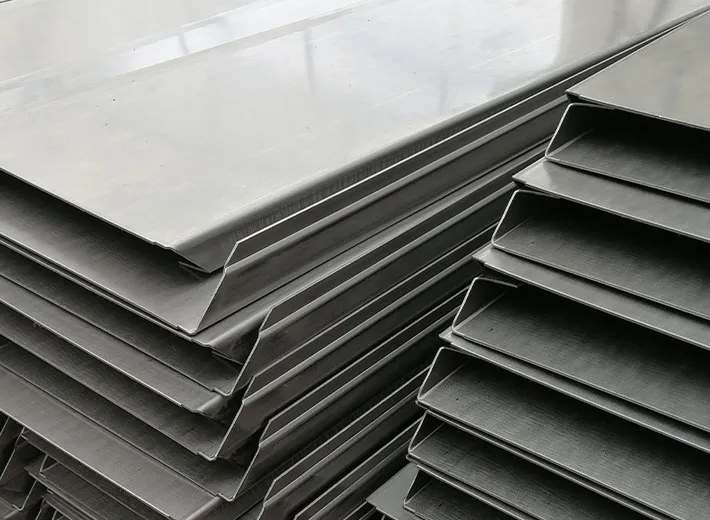
In many projects, the fire extinguisher cabinet must match the building’s interior design. This is why architectural trim is important. Trim covers the wall opening, improves appearance, and creates a clean finished edge around the cabinet.
Common trim and style options include:
Architectural projects may also use acrylic doors, stainless steel doors, aluminum frames, or special surface finishes. Hospitals may prefer stainless steel because it looks clean and professional. Hotels may prefer brass or decorative trim. Schools and offices may choose painted steel with an acrylic window.
From a manufacturing perspective, trim quality is a major sign of production ability. If the trim is twisted, uneven, or poorly cut, the cabinet looks cheap after installation. If the door gap is uneven, users notice it immediately.
A good production line can form trim profiles, cabinet channels, door frames, and reinforcement parts with consistent size. This helps manufacturers deliver a cleaner finished product in large batches.
If you plan to manufacture fire extinguisher cabinets, do not start with machine price only. Start with the product drawings, material, output requirement, and target market.
Before requesting a quotation, prepare the following details:
A professional roll forming machine manufacturer should not only sell equipment. The supplier should understand the product, production flow, tooling design, punching process, cutting accuracy, and after-sales support.
Chenlong works with manufacturers, distributors, and OEM partners who need customized automated production solutions. Buyers can send drawings, samples, or profile requirements. The engineering team can then design a production plan based on real factory needs.
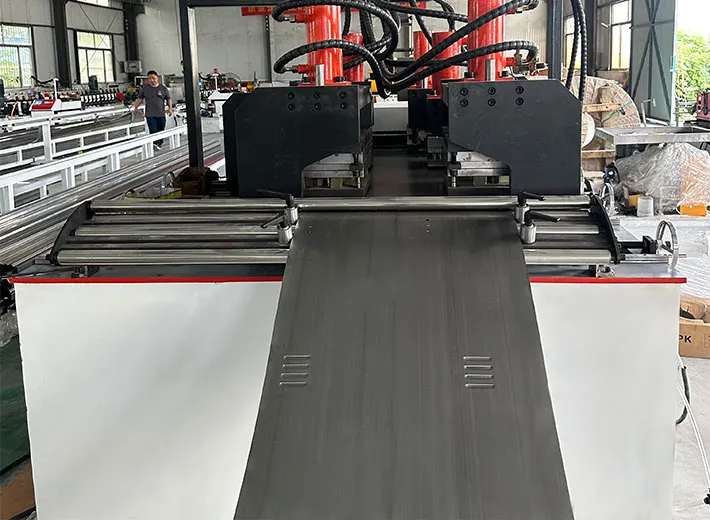
Fire extinguisher cabinets are used in many building types. Each application has different needs.
In commercial buildings, appearance and access are important. Recessed or semi-recessed cabinets with architectural trim are common. Acrylic doors and clean steel finishes are also popular.
In industrial plants, durability matters more. Cabinets may face dust, vibration, impact, and heavy traffic. A heavy-duty steel cabinet with a strong hinge, lock, and stable holder is often a practical choice.
In outdoor environments, corrosion protection is critical. Stainless steel, fiberglass, HDPE, or coated steel may be used depending on exposure level. Outdoor cabinets may also need drainage, sealing, stronger lock systems, and weather-resistant finishes.
Common application areas include:
For cabinet producers, this creates a broad market. One factory may need to produce different cabinet series for different project types. Flexible roll forming equipment makes this easier.
A fire protection cabinet supplier may begin with manual cutting, punching, bending, and welding. This works for small orders. But when orders grow, manual work can create problems. Production becomes slow. Cabinet sizes vary. Door gaps become inconsistent. Trim quality changes from batch to batch.
By using an automated roll forming line, the supplier can connect uncoiler, leveler, servo feeder, punch press, roll forming machine, cutting unit, and palletizer into a smoother production flow.
The result is simple but powerful:
For OEM buyers, this means stronger supply ability. For distributors, it means more stable product quality. For factory owners, it means lower long-term production cost.
Painted steel is suitable for many indoor projects. Stainless steel is better for humid, clean, or corrosive environments. Fiberglass and HDPE are often used outdoors or in harsh locations. The best choice depends on the building environment and project budget.
Yes. Surface mount cabinets are common in factories and warehouses because they are easy to install and maintain. However, they should be placed where they do not block walking paths or emergency routes.
A semi-recessed fire extinguisher cabinet is partly installed inside the wall and partly exposed. It gives a cleaner appearance than a surface mount cabinet and needs less wall depth than a fully recessed cabinet.
Acrylic door panels are good for visibility. Solid steel doors offer better protection. Stainless steel doors are suitable for clean or high-end environments. The best choice depends on safety needs, appearance, and application environment.
Yes. Chenlong can design customized cold roll forming equipment and automated production lines for fire protection cabinet profiles, trims, door frames, steel cabinet parts, punching patterns, and related roll formed products.
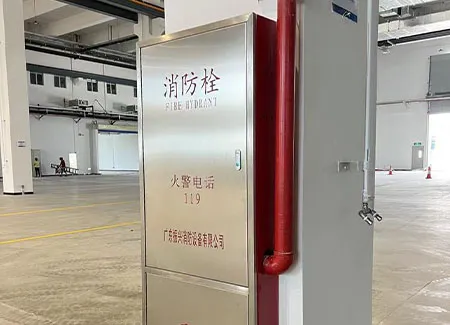
A fire extinguisher cabinet is a protective box used to store a portable fire extinguisher…
Perfis mal feitos podem desacelerar a montagem, enfraquecer estruturas e aumentar os custos a longo prazo. Quando…
Responderemos dentro de 24 horas. Para casos urgentes, adicione WhatsApp/WeChat: +8613863639320. Ou ligue diretamente para +8613863639320.
*Respeitamos sua confidencialidade e todas as informações estão protegidas.
Usaremos suas informações apenas para responder à sua consulta e nunca enviaremos e-mails não solicitados ou mensagens promocionais.