











Company
20 September 2026
Warehouse Racking Systems & Shelving Production Guide
Moving a warehouse shelving line from standard to custom profiles changes four things: too…
 16:26
16:26 A cable tray is more than a simple metal support. It keeps cable routes neat, safe, and easy to maintain in factories, data centers, power plants, commercial buildings, and electrical projects. This guide is worth reading because it explains cable tray types, materials, structure, installation, and how a cold-formed steel cable tray profile can improve production quality.
For manufacturers, distributors, and project contractors, choosing the right cable tray system is not only about price. It affects cable protection, load capacity, cable management, installation speed, and long-term safety. As a cold roll forming equipment manufacturer, Chenlong helps customers produce accurate steel cable trays and custom tray profiles for demanding industrial applications.
A cable tray is a support structure used to carry power cable, control cable, signal cable, communication cable routes, and other types of cable in buildings or industrial plants. Instead of leaving cable runs loose or hidden in hard-to-repair spaces, a cable tray gives a clear path for installation, checking, repair, and future expansion.
A cable tray system is widely used because it makes cable management safer and cleaner. In many projects, cable routes change over time. New equipment may be added. Old machines may be replaced. A well-designed cable support system helps engineers add or remove cable without rebuilding the whole electrical layout.
For B2B buyers, the cable tray is part of a larger cable management system. It must match the project load, cable type, environment, and installation method. If the tray design is weak, cable loads may bend the tray. If the spacing is wrong, the cable tray may sag. If the material is not suitable, corrosion may reduce service life.
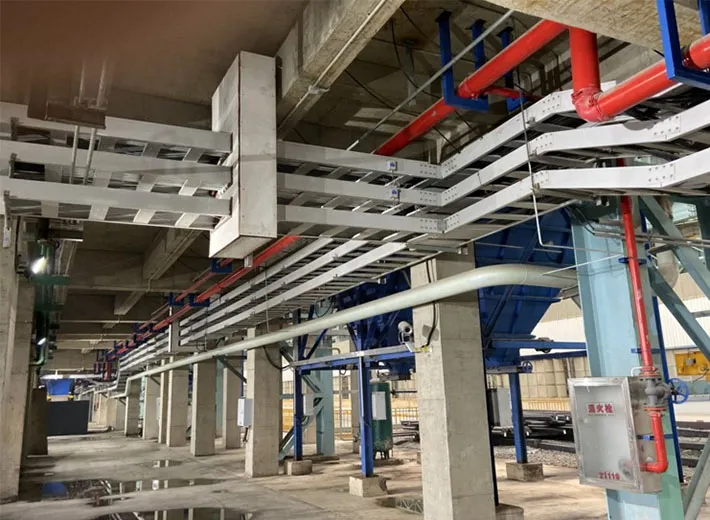
There are several cable tray types, and each tray type has its own best use. The most common options include ladder cable tray, perforated cable tray, solid bottom cable tray, channel cable tray, and wire mesh cable tray. Each type cable tray solves a different cable support problem.
A ladder cable tray is often used for heavy cable and long support spans. A perforated cable tray is useful when the project needs better ventilation and flexible fixing points. A solid bottom tray gives more complete cable protection. Channel trays are compact and suitable for smaller cable runs. Wire mesh cable tray is common where fast installation and open airflow are important.
The right choice depends on cable size, cable weight, heat dissipation, dust level, indoor or outdoor use, and maintenance needs. In short, it depends on cable conditions and the working environment. A cable tray should not be selected only by appearance. It should be selected by function.
Steel cable trays are common because they offer strong load capacity, stable structure, and good cost performance. For factories, warehouses, power distribution rooms, and construction profiles, metal cable support is often more reliable than light plastic or weak support systems.
A galvanized cable tray is widely used in normal indoor and semi-outdoor environments. Galvanized steel provides basic corrosion resistance and helps reduce long-term maintenance. For harsher places, hot-dip galvanized cable tray sections can offer better surface protection. In some coastal or chemical environments, stainless steel are common because they resist corrosion better.
Steel cable trays also work well with roll formed profiles. The side rail, bottom plate, cross member, and tray width can be designed to meet project needs. When cable loads are high, steel structure gives the cable tray enough strength to stay stable during long service.
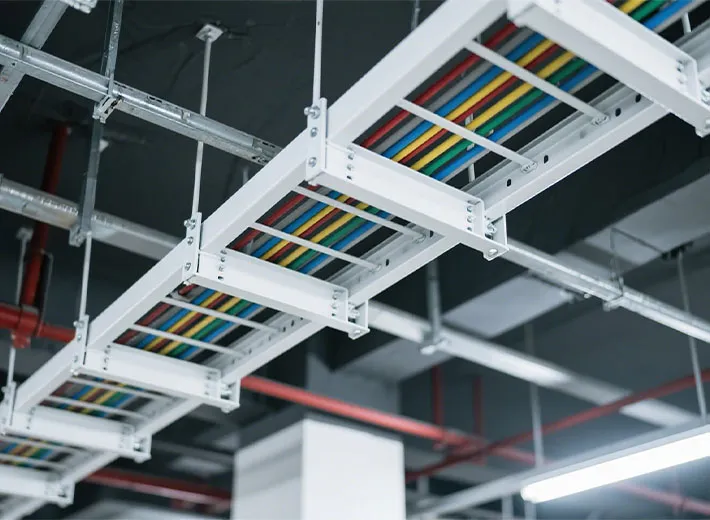
A ladder cable tray has two side rails connected by cross rungs. This design looks like a ladder, so it is easy to understand. The open structure allows air to move around the cable, which helps heat dissipation. This is important when the cable tray carries power cable or other heat-producing cable.
A cable ladder is often used in industrial applications where heavy cable, long cable runs, and long support spans are required. The ladder side rail carries the main load, while the rungs support the cable at regular spacing. A ladder cable tray is also easier to clean than some enclosed cable systems.
Ladder trays are often used in power plants, large workshops, mining facilities, water treatment plants, and equipment rooms. When the project needs strong support systems for electrical cable routes, the ladder type is usually a practical choice. It can also reduce material weight compared with a full solid bottom design.
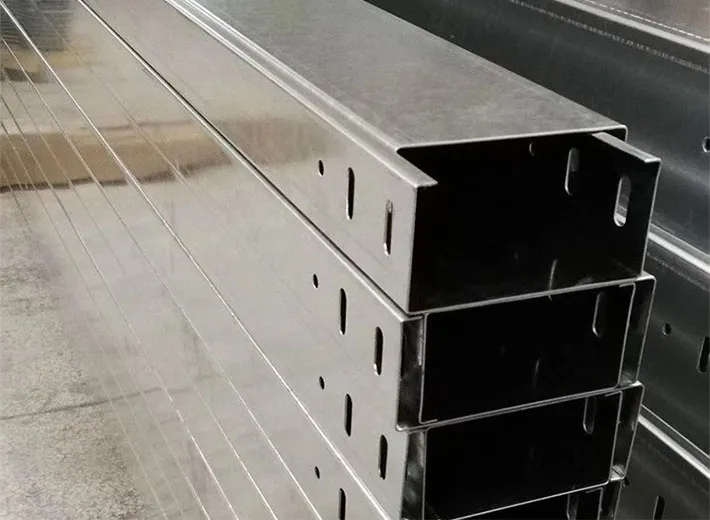
A perforated cable tray has holes in the bottom or side areas. These holes allow air movement, make fixing easier, and reduce weight. Many buyers choose perforated tray designs because they offer a balance between cable support, ventilation, and flexible installation.
The word perforate simply means to make holes through a material. In cable tray production, manufacturers perforate steel strip before or during forming. The hole pattern must be accurate because it affects both strength and cable fixing. A perforated cable tray must be strong enough to carry cable loads while still offering enough open area.
Perforated cable products are suitable for control cable, power cable, signal cable, and mixed cable routes. A perforated cable tray is often used in commercial buildings, industrial plants, equipment rooms, and electrical distribution areas. It is one of the most flexible cable tray solutions for general cable management.
A solid bottom cable tray has a closed base. It gives better support across the full tray width and helps protect cable from dust, small falling objects, and some types of mechanical contact. Compared with a ladder cable tray, it offers more enclosed cable support.
A solid bottom tray is often selected when the cable needs more physical protection or when smaller cable should not hang between rungs. It can also be used where neat appearance is important. However, solid bottom designs may reduce airflow, so heat buildup should be considered when the tray carries many power cable lines.
For project buyers, solid bottom cable tray selection should consider cable type, ventilation needs, cleaning conditions, and maintenance access. It is not always better or worse than a ladder tray. It is simply a different tray type for a different cable environment.
Material choice affects strength, corrosion resistance, cost, and service life. The most common cable tray materials include pre-galvanized steel, hot-dip galvanized steel, 304 stainless steel, 316 stainless steel, and sometimes aluminum. Each material serves a different project environment.
Galvanize treatment is often enough for many indoor cable tray projects. Hot-dip galvanized cable tray products are better for outdoor or more corrosive conditions. A stainless steel cable tray is suitable for food plants, chemical plants, coastal areas, and projects with high corrosion risk. 304 stainless steel is widely used for general corrosion resistance. 316 stainless steel performs better in marine or chemical environments.
When choosing materials, buyers should think beyond the first purchase price. A cheaper cable tray may cost more if it rusts quickly, fails under load, or needs early replacement. Good material selection protects cable, reduces downtime, and supports long-term system reliability.
Cable tray size affects how many cable lines can fit safely. Tray width, side rail height, material thickness, and tray sections all affect cable capacity. If the cable tray is too small, workers may overfill it. If it is too large, the project may waste cost and space.
Support spacing is also important. Long spacing can reduce the number of tray supports, but it may increase bending stress. Shorter spacing may improve stability, but it increases installation labor and support cost. A good cable tray design balances cable loads, span length, installation cost, and safety.
Before choosing cable tray size, buyers should list the number of cable lines, cable diameter, cable weight, future expansion needs, and routing direction. Standard cable planning should also consider separation between power cable and signal cable when required by the project design.
A cold-formed steel cable tray profile is produced by shaping steel strip at room temperature through forming rollers. This process helps create stable profiles with consistent size, smooth shape, and repeatable quality. For cable tray manufacturers, cold forming is a practical way to produce side rail profiles, bottom profiles, channel sections, and custom tray profiles.
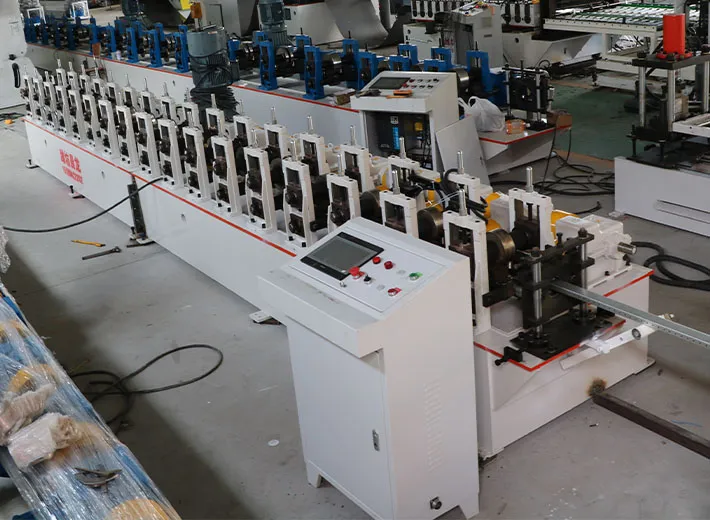
Chenlong specializes in high-precision cold bending forming equipment and customized automated production lines. For cable tray production, a roll forming line can include uncoiling, leveling, punching, forming, cutting, and automatic stacking. This supports stable production and improves the accuracy of perforated tray holes, side rail dimensions, and profile shape.
Compared with separate cutting and bending work, an automated production line can reduce labor, improve output, and make cable tray quality more consistent. This is useful for manufacturers that supply steel cable trays, ladder cable tray parts, perforated cable tray sections, and customized cable support profiles to global customers.
A cable tray manufacturer must understand more than the tray itself. It must understand profile production, material behavior, punching accuracy, forming stability, and customer project needs. Chenlong works as a steel profile supplier and equipment solution provider for B2B buyers who need stable cable tray production.
For manufacturers and distributors, Chenlong can support custom tray profiles, cable tray production lines, ladder cable profiles, channel cable profiles, perforated profiles, and other construction profiles. The goal is to help customers build practical cable tray solutions that match their target market and production capacity.
As a high-tech company based in Shandong, China, Weifang Chenlong Intelligent Technology Co., Ltd. provides high-precision cold bending forming equipment, customized automated lines, and global service. For OEM partners, distributors, and factory owners, this means more than buying a machine. It means building a long-term production advantage.
Before starting a cable tray project, buyers should ask clear questions. What cable type will the tray carry? Will it support power cable, control cable, signal cable, or mixed cable routes? Will the project use ladder, perforated, channel, wire mesh, or solid bottom structure?
Buyers should also confirm the working environment. Is the cable tray used indoors, outdoors, in a humid area, or near chemicals? Does the project need galvanize, hot-dip galvanized, or stainless steel cable tray material? Is 304 stainless steel enough, or does the project need 316 stainless steel?
For production planning, manufacturers should ask about expected output, tray width range, hole patterns, side rail shape, cutting length, automatic stacking, and packaging. A professional cable tray solution starts with these basic questions.
Cable tray demand often comes from electrical construction, industrial automation, data centers, energy projects, and infrastructure. These markets need stable supply and consistent quality. If a factory can produce accurate cable tray profiles with high efficiency, it can respond faster to customer orders.
Automated equipment also helps manufacturers control labor cost. Instead of depending on many manual steps, a cable tray production line connects material feeding, perforate punching, forming, cutting, and stacking. This improves production rhythm and reduces errors.
For exporters, stable quality is especially important. Global buyers want cable tray products that match drawings, packing requirements, load expectations, and delivery schedules. With the right production line, a manufacturer can serve more projects and build stronger customer trust.
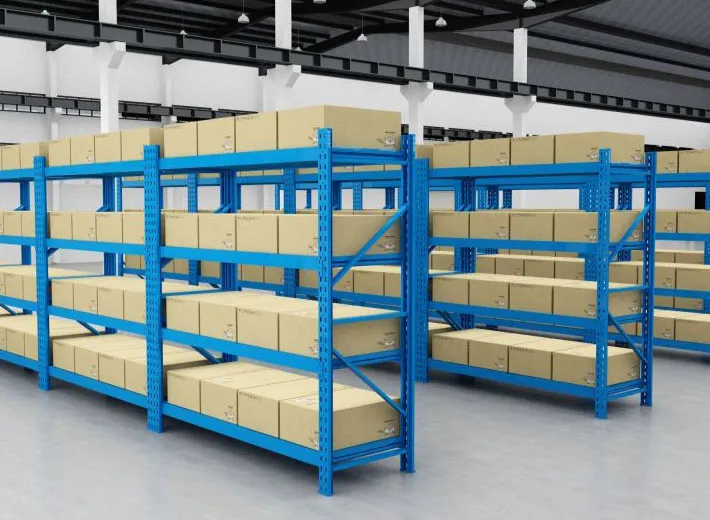
Moving a warehouse shelving line from standard to custom profiles changes four things: too…
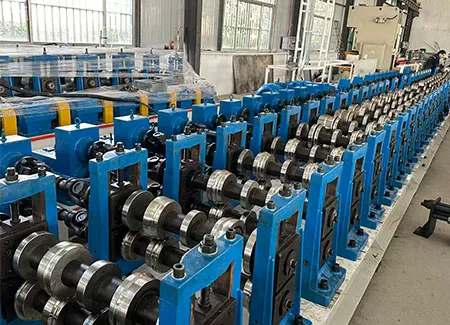
Chenlong’s roof and wall panel line is a factory-based automated roll forming system…
We will reply you within 24 hours. If for urgent case, please add WhatsApp/WeChat: +8613863639320,. Or call +8613863639320 directly.
*We respect your confidentiality and all information are protected.
We will only use your information to respond to your inquiry and will never send unsolicited emails or promotional messages.