







Şirket
26 March 2026
Automatic Cabinet Roll Forming Machine Production Line for Fire Protection Cabinet Casings
An automatic cabinet roll forming machine production line uses advanced cold roll forming …
 15:17
15:17 Production feels “fine” until one small mistake ruins a whole batch—wavy panels, off-center holes, or profiles that don’t fit in assembly. Then you lose time, scrap coil, and miss delivery dates. A well-designed cold roll forming machine fixes that by turning flat steel into consistent profiles—fast, stable, and repeatable.
Cold roll forming machines are industrial systems that shape metal strip from a coil through a series of roller stations into precise profiles (like purlins, roof panels, door frames, and cabinet components). They support high-speed, continuous manufacturing and can integrate decoiling, leveling, punching, and cutting into one automated production line.
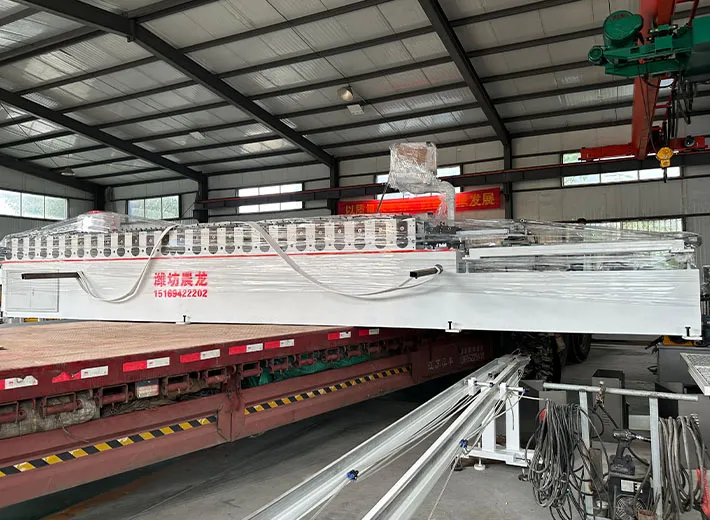
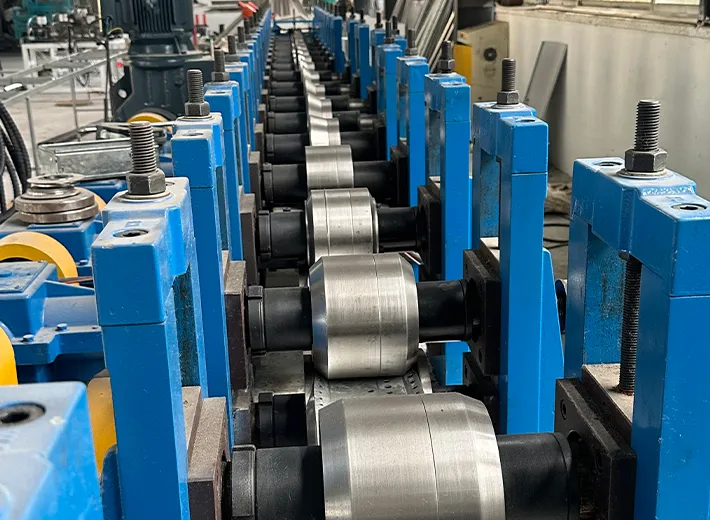
Cold roll forming is a continuous forming process that shapes flat strip into a designed cross-section by running it through multiple forming passes. Each pass makes a small controlled bend, and together they create a stable profile with good repeatability. The big benefit is consistency—especially when your customers demand standardized profiles for assembly and installation.
In my day-to-day work with industrial buyers, the reason is always the same: your factory doesn’t just need parts—it needs a reliable system. That’s why professional B2B buyers (profile manufacturers, steel structure companies, racking factories, electrical enclosure makers, fire protection/HVAC suppliers, and automotive/new-energy component suppliers) choose a cold roll forming machine as the backbone of scalable production.
And here’s the practical truth: when your product is a long profile (purlins, rails, panels), “batch” methods become slow and inconsistent. Cold roll forming machinery stays stable because the strip never stops moving unless you decide it should.
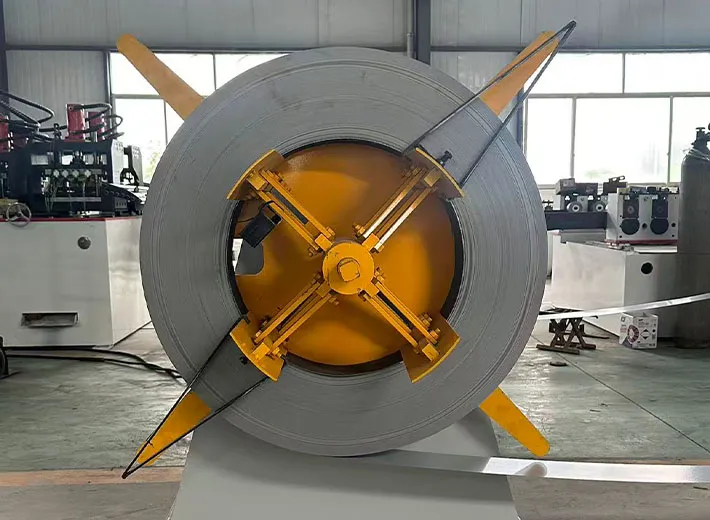
A modern cold roll forming machine work flow is easiest to picture as a simple path:
Chenlong’s “core components” approach spells this out clearly: from uncoiling to palletizing, each module is designed for stable, automated, high-speed production.
If you answer those five questions, it becomes much easier to define the right roll former configuration—and avoid buying the wrong line.
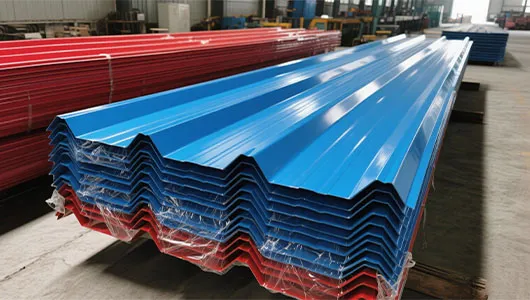
Let’s talk about real demand. The applications of cold roll forming are broad, but the buyer logic is consistent: you want stable profiles that install fast and carry load safely.
Common applications include:
Chenlong’s site positions solutions for warehousing/racking, electrical and energy systems, construction profiles, and automotive precision components—these are exactly the buyer groups you described.
Professional buyers don’t just buy a machine. They buy a partner who can deliver engineering, documentation, and support—especially across borders.
Chenlong’s pages stress:
Complete solutions from equipment to profiles
modular core components and integrated lines
global reach and export experience (site mentions “50+ countries” on the homepage)
service and support positioning (24/7 support, in-house manufacturing, delivery commitments)
What I recommend you verify (simple, buyer-friendly)
In-house manufacturing: Do they control machining and assembly quality?
Modular planning: Can you start with the core and add punch/cutting/stacking later?
Service workflow: Do they have a clear process (idea → drawing → sample → test → shipment → after-sales)?
Response speed: Can they commit to fast proposal turnaround?
Chenlong repeatedly uses a clear CTA: “Share your requirements—we’ll send a tailored solution within 24 hours,” and the core components page encourages sending specs for sourcing/customization.
If you’re a B2B buyer planning a cold roll forming upgrade—roof panels, purlins, enclosures, racking, HVAC/fire components, or automotive rails—send me:
We’ll map the right cold roll forming machine and modular production line plan (decoiler, leveling, punching, servo cutting, stacking) and reply with a tailored solution within 24 hours—built for precision, automation, and export-ready delivery
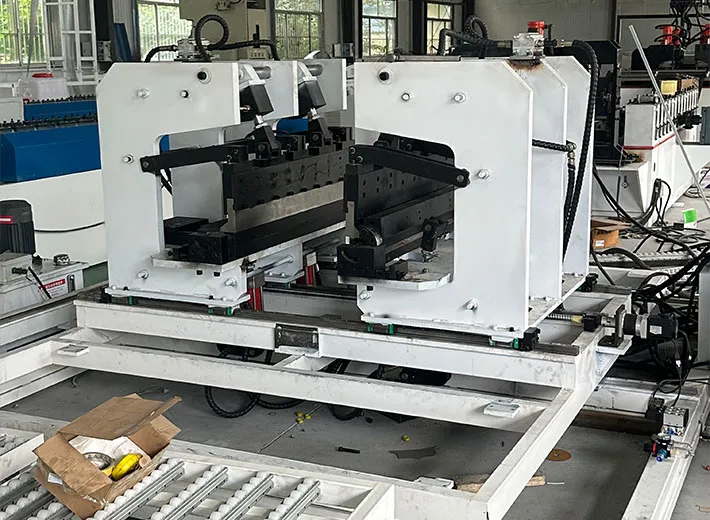
An automatic cabinet roll forming machine production line uses advanced cold roll forming …
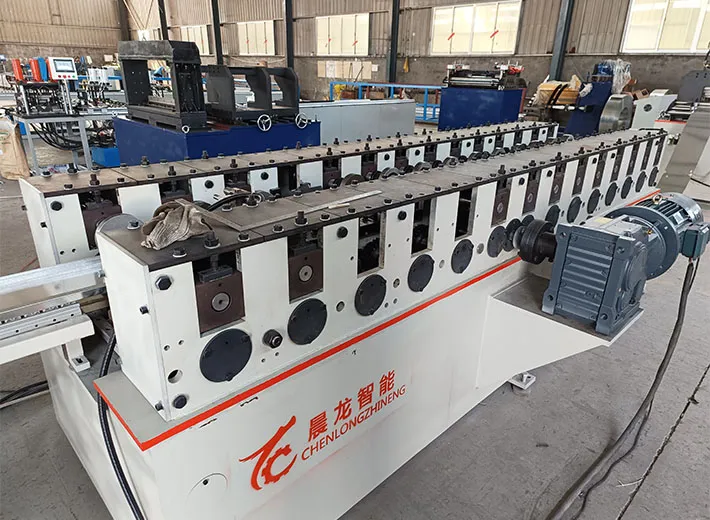
A cable tray roll forming machine production line is a fully automated system that uses co…
Size 24 saat içinde cevap vereceğiz. Acil durum için lütfen WhatsApp/WeChat ekleyin: +8613863639320,. Veya doğrudan +8613863639320'u arayın.
*Gizliliğinize saygı duyuyoruz ve tüm bilgiler korunuyor.
Bilgilerinizi yalnızca sorunuza yanıt vermek için kullanacağız ve asla istenmeyen e-postalar veya tanıtım mesajları göndermeyeceğiz.