










Şirket
20 September 2026
Warehouse Racking Systems & Shelving Production Guide
Moving a warehouse shelving line from standard to custom profiles changes four things: too…
 11:26
11:26 Poorly made profiles can slow assembly, weaken structures, and raise long-term costs. When a steel channel or guide rail is out of shape, the whole project feels it. The fix is simple: use cold-formed, roll formed steel profiles built for precision, durability, and repeatable output.
Cold-formed steel channel and guide rail profiles are shaped from steel strip through a continuous roll form process. They are widely used in construction, automotive, shelving, electrical systems, and industrial support systems because they offer tight tolerances, stable cross-sections, flexible customization, and efficient large-volume production.
A steel profile is any shaped metal section made for a specific job. In this case, we are talking about cold-formed parts such as a steel channel, a guide rail, reinforcement profiles, brackets, and other open steel sections. These parts start as steel strips and pass through a continuous roll form process that shapes the metal step by step without melting it. That makes the process efficient and highly repeatable for large-volume fabrication.
In daily industrial use, these roll formed steel profiles are not niche products. They are widely used in construction and industrial projects, including door and window frame profiles, cable tray parts, shelving components, guard rails, automotive rails, and custom metal support systems. Chenlong’s shaped profiles specifically highlights guide rails, brackets, door and window frames, and custom sections as part of its high-precision profile offering.
What makes formed steel appealing is not only shape. It is consistency. Buyers want stable cross-section geometry, reliable dimensional accuracy, and cleaner edges so downstream assembly goes faster. In our experience, if a profile is not straight, not square, or not punched correctly, the customer pays for the problem again during installation. That is why cold-formed steel keeps gaining ground in industrial supply chains.
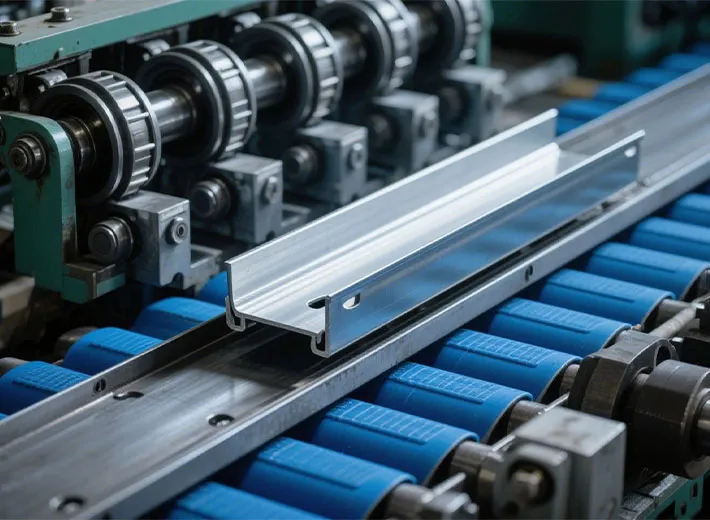
The biggest reason is speed with control. A good roll form process can produce profile after profile with very little variation. That helps ensure better fit, easier assembly, and less scrap. Compared with slower manual methods that rely on repeated cutting, welding, and bending, roll formed steel profiles support stable output and better cost control for commercial and industrial orders. Chenlong describes continuous roll forming as a way to deliver stable quality, low waste, and high output for large-volume profile manufacturing.
The second reason is flexibility. A buyer may need a light-duty shelve support today, a beam reinforcement next month, and a custom channel for a solar panel frame after that. With the right tooling and forming solution, the same production logic can be adapted to many profile families. This is why custom roll forming matters so much for OEMs. The process can be built around hole patterns, slot locations, edge details, and even special bends without rebuilding the whole factory workflow.
There is also a simple commercial reason. Profiles that are engineered to meet exact needs often use lighter steel more efficiently while preserving load-bearing capacity and structural integrity. That means the buyer can balance strength and cost instead of overbuying raw material “just to be safe.” In sectors that move fast, that is a real advantage.
The phrase different types of steel channels covers more than many buyers realize. Some projects use basic u-channels. Others require a deeper steel c profile, a reinforced open section, or a profile with return lips, ribs, or slots. There are also open profiles designed for cable routing, support systems, frame assemblies, and specialized OEM parts. In short, the market is broad, and most serious buyers are comparing more than one shape.
A useful way to group common profiles is this:
Chenlong’s show that these sections and profiles are used across warehousing, construction, electrical systems, fire protection, and automotive manufacturing. The Chenlong also mentions door and window sections, guide rails, brackets, cable tray profiles, and automotive rails among its finished applications. That broad fit is one reason roll forming solutions are attractive to manufacturers that serve more than one market.
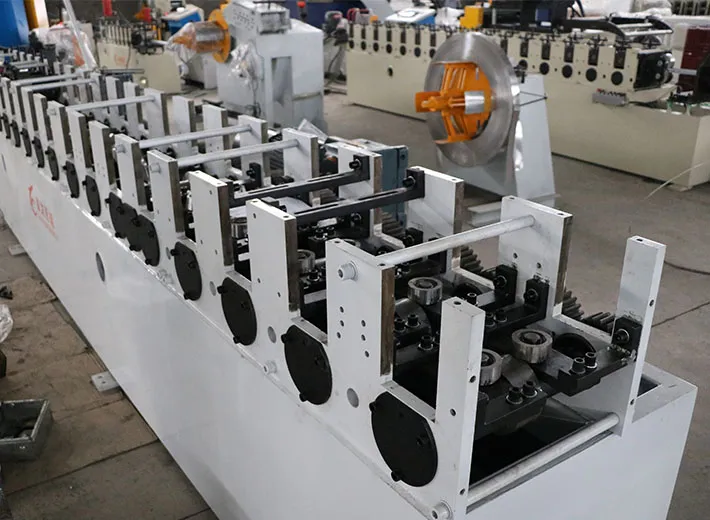
A profile is not finished when it leaves the last roll station. Many parts still need a punch pattern, a flange, a notch, or a joining step. That is why integrated auxiliaries matter. Chenlong describes CNC and hydraulic punching machines as essential for punching, shearing, trimming, bending, flanging, and stretching strip or semi-formed profiles to match design requirements.
The same is true for weld operations. Not every profile needs welding, but some do. When a profile is hollow, sealed, reinforced, or part of a more complex assembly, inline or secondary laser welding can improve structural integrity and surface quality. Chenlong’s component page says laser welding machines are suitable for seams, joints, or reinforcing parts of cold-formed profiles, especially when strong, smooth joins are needed.
In practical terms, these operations are where many projects are won or lost. You can have a good base section, but poor hole placement, uneven bends, or weak welds will still create trouble. That is why advanced roll forming is not just about rolling metal. It is about building a stable, repeatable process around the full profile requirement.
These profiles are widely used because they fit many industries. In construction and industrial sectors, they appear in framing, supports, cable management, roofing details, enclosures, steel deck systems, and other structural support systems. They are also common in door and window assemblies, where profile straightness and edge quality matter for final fit and sealing. Chenlong’s site specifically highlights modern construction applications, frame profiles, corrugated panels, gutters, steel decking, and non-standard structural sections.
In automotive manufacturing, precision matters even more. Seat slides, roof rack tracks, sunroof guide rails, reinforcement members, and other rail-based parts need consistent shape and stable batch production. Chenlong’s shaped profiles page refers directly to automotive rails and says its forming solutions support consistent dimensions and clean profile edges for industrial projects.
There are also expanding uses in new energy and infrastructure. A solar panel support profile, a cable tray channel, or a custom bracket for machinery all rely on repeatable section geometry. The same logic applies in warehouse shelving, light-duty storage systems, and guard rails for safety-related assemblies. When profiles are used in the construction of real systems, small shape errors can become large field problems. Precision is not a luxury. It is part of performance.
If a profile will face moisture, weather, or a demanding industrial environment, surface protection matters. Galvanized steel and hot dip galvanized finishes help slow rust and support longer service life. That does not remove the need for good design, but it does improve durability and surface protection in many outdoor or semi-exposed uses. Industry cold-formed steel standards and guidance also emphasize the role of proper product data, design, and material selection in long-term performance.
For buyers, this usually comes down to three questions:
A profile with the right surface finish can improve resale confidence and reduce maintenance concerns. It can also help ensure better consistency during assembly when the product needs a clean, stable exterior. For many commercial and industrial projects, hot rolled steel may still be part of the supply chain, but cold-formed steel with the right coating often offers a more efficient finished solution for repeatable profile production.
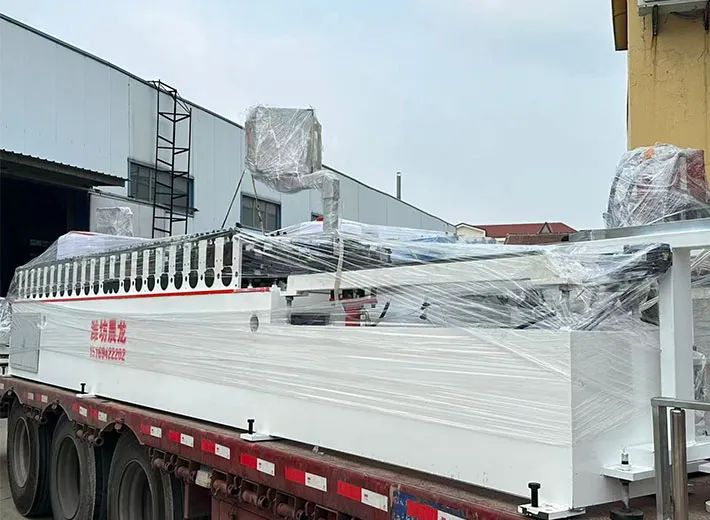
A good buying process starts with the end use, not the machine catalog. Ask what the profile actually does. Is it load-bearing or decorative? Is it part of a steel bridge support detail, a steel channel frame, a tubular steel reinforcement zone, or a light-duty shelving system? Will the profile be used in the construction of a building envelope, in machinery, or in a transport assembly?
Then ask the questions that shape the solution:
Bu sorular, alıcının sadece en ucuz teklifi almak yerine doğru ekipmanı temin etmesine yardımcı olur. Birçok durumda, aletleri, malzeme akışını ve bitirme adımlarını uyarlayabilen bir tedarikçi, standart bir makine satıcısından daha fazla değer yaratır. Bu, parçalar belirli montaj, dayanım ve yüzey gereksinimlerini karşılayacak şekilde mühendislik hizmeti alıyorsa özellikle doğrudur.
da, her müşterinin ihtiyaçlarına göre tasarlanmış sistemler geliştiriyoruz ve optimal performans ile uzun vadeli değer sağlıyoruz. Özellikle depolama, elektrikli dolaplar, yangın kutuları, kablo kanalları, inşaat ve otomotiv gibi sektörlere hizmet veren özelleştirilmiş soğuk rulo şekillendirme ekipmanı ve şekillendirilmiş profiller üreten bir Çinli üretici olarak konumlandırılmaktadır. Şirketin anasayfası, 10.000㎡ üretim alanına, gelişmiş CNC merkezlerine ve anahtar teslim ekipman ve yüksek hassasiyetli profillere odaklandığını bildirirken, hizmet sayfasında 24/7 destek, iç üretim, isteğe bağlı yerinde kurulum ve eğitim ile ekipman için 45 gün içinde gönderim hazırlığı vurgulanmaktadır.
Bu, B2B alıcıları için önemlidir. Üreticiler ve OEM ortakları genellikle sadece bir makine istemezler. Profil, alet, malzeme akışı, bitirme adımları ve üretim hedefini anlayan bir ortak isterler. Chenlong'un sayfaları sürekli olarak alıcıları çizimler, örnekler, malzeme spesifikasyonları veya üretim hedefleri göndermeye davet eder ve 24 saat içinde uyarlanmış bir yanıt sözü verir. Bu, özel rulo şekillendirme, özel metal bölümler ve profesyonel rulo şekillendirme desteği değerlendirirken alıcıların aradığı tedarikçi davranışıdır.
Satış açısından bu, dikkatin eyleme dönüştüğü yerdir. Alıcı, yaygın bir sorun görür: tutarsız parçalar, yavaş fabrikasyon, fazla manuel işlem. Sonra alıcı, ilgi noktasını görür: besleme, delme, şekillendirme, kesme ve istifleme işlemlerini birleştiren bir süreç. Tedarikçi, profil esnekliği, yüksek dayanım, iyi yüzey ve ölçeklenebilir çıkış gösterebildiğinde istek artar. Eylem, proje sahibi bir çizimi paylaştığında ve gerçek üretim ihtiyaçlarına yönelik bir şekillendirme çözümü alındığında gerçekleşir.
Sıcak haddeleme ve soğuk şekillendirme profilleri arasındaki fark nedir?
Sıcak haddeleme ile şekillendirilmiş çelik yüksek sıcaklıkta şekillendirilirken, soğuk şekillendirilmiş profiller, odanın sıcaklığına yakın bir ortamda, ilerleyen makaralar aracılığıyla şerit halinden şekillendirilir. Soğuk şekillendirilmiş profiller genellikle ince kalınlıkta, yüksek hacimli kesitler için daha iyi tekrarlanabilirlik sunar.
Çelik kanallar, yapı kullanımları için yeterli güç sağlıyor mu?
Evet, profil şekli, çelik kalitesi, kalınlık ve uygulama doğru bir şekilde eşleştirildiğinde. Çelik kanallar birçok ticari ve endüstriyel sistemde destek, hizalama ve sertlik sağlar, ancak nihai tasarım her zaman gerekli yük ve hizmet koşullarıyla eşleşmelidir.
Rulo şekillendirilmiş çelik ürünleri, kaynaklı montajların yerini alabilir mi?
Birçok durumda, evet. İyi tasarlanmış bir rulo şeklinde kesit, manuel fabrikasyonu azaltabilir ve varyasyonları düşürebilir. Bazı projelerin hala bir kaynak aşamasına ihtiyacı vardır, ancak birçok proje daha az ikincil işleme ile fayda sağlar.
Profiller güneş enerjisi ve destek sistemlerinde yaygın olarak kullanılıyor mu?
Evet. Profiller, kablo yönlendirme, raflama, destek sistemleri ve güneş paneli yapılarında kullanılmaktadır çünkü süreç tekrarlanabilir kesitler ve uzun parçalar için verimli çıkış sunar.
OEM projeleri için özelleştirilmiş profilleri ne daha iyi hale getiriyor?
Ürün gereksinimlerine göre özelleştirilmiş profiller atıkları azaltabilir, kurulumları basitleştirebilir ve genel uyumu artırabilir. Bu, delik yerleşimi, büküm geometrisi, yüzey ve kesitlerin partiler arasında tutarlı kalması gereken uygulamalar için idealdir.
Chenlong ile özel bir projeye nasıl başlarsınız?
Çiziminizi, örneğinizi, malzeme verilerinizi ve hedef çıkışınızı hazırlayın. Chenlong, alıcılardan bu ayrıntıları paylaşmalarını ister, böylece uyarlanmış bir çözüm sağlaması ve doğru şekillendirme ekipmanı veya profil yaklaşımını önermesi mümkündür.
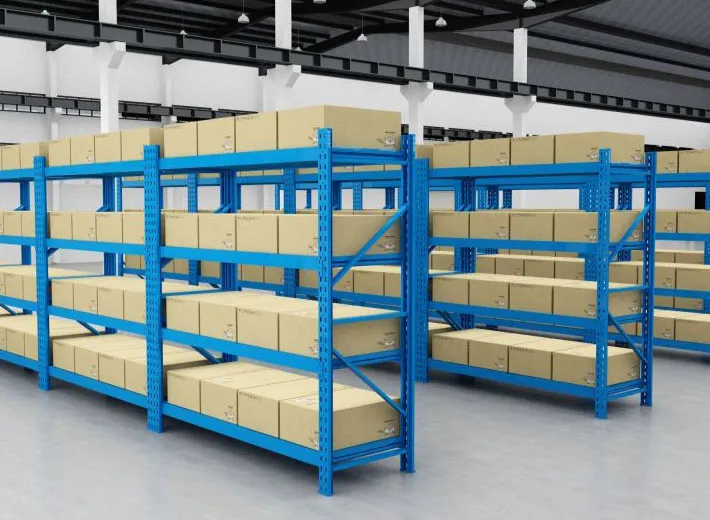
Moving a warehouse shelving line from standard to custom profiles changes four things: too…
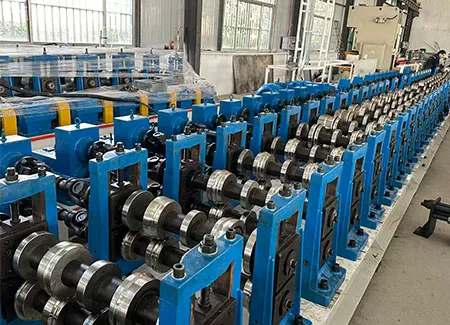
Chenlong’s roof and wall panel line is a factory-based automated roll forming system…
Size 24 saat içinde cevap vereceğiz. Acil durum için lütfen WhatsApp/WeChat ekleyin: +8613863639320,. Veya doğrudan +8613863639320'u arayın.
*Gizliliğinize saygı duyuyoruz ve tüm bilgiler korunuyor.
Bilgilerinizi yalnızca sorunuza yanıt vermek için kullanacağız ve asla istenmeyen e-postalar veya tanıtım mesajları göndermeyeceğiz.