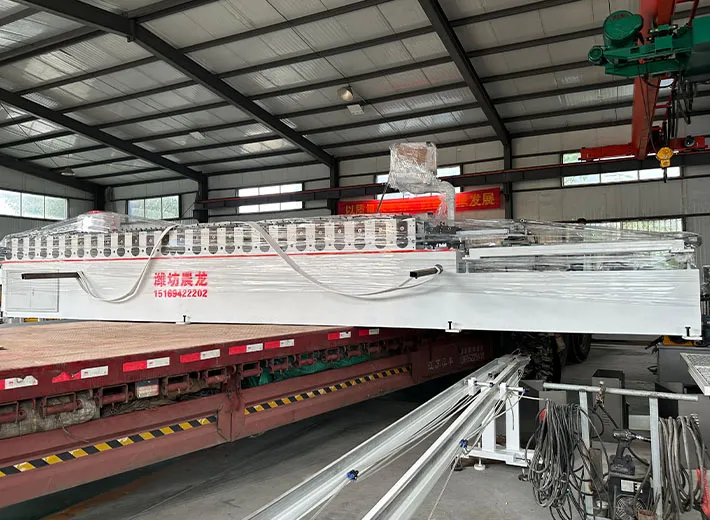
Your fire protection cabinet business can’t afford slow output, uneven holes, or panels that don’t line up. Those defects pile up into rework, delays, and angry installers. A fully automated cold roll forming approach fixes the root cause: it stabilizes the roll forming process from coil to finished cabinet parts, with consistent punching, forming, and cut-to-length.
An automatic cold roll forming production line for fire protection cabinet casings is a turnkey system that uncoils sheet metal, performs CNC/hydraulic punch operations, roll forms the cabinet profiles, and finishes with cutting and optional weld-ready handling—delivering consistent enclosure parts at scale with lower labor and higher repeatability.
What is rolling forming for a cabinet production line?
Rolling forming (many buyers also call it roll forming) is a continuous way to shape sheet metal into a stable profile. Instead of making one big bend at one station, the line uses a roller set to guide the metal through gradual steps. Each step adds a small bend until the profile matches your cabinet design.
In a cabinet production line, the goal is simple: create casing parts that fit together cleanly—side panels, door frame parts, back plates, mounting rails—so the finished product assembles faster. When rolling forming is stable, your enclosure parts stay consistent from the first piece to the last piece.
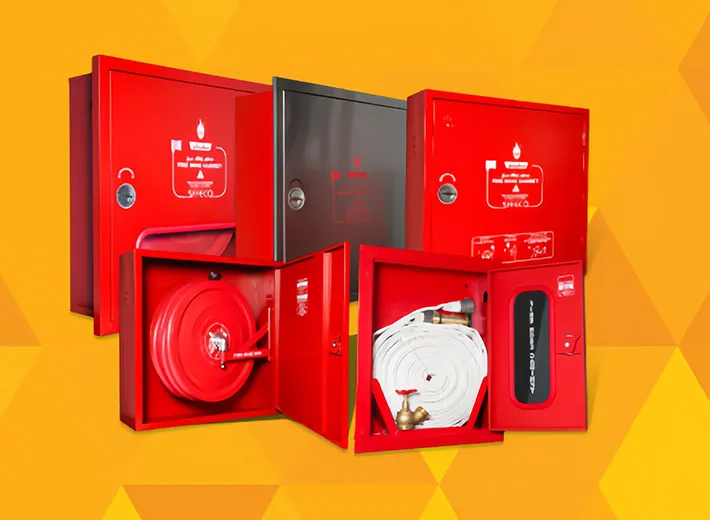
If you make fire cabinets (like fire hose reels and extinguisher cabinets), you already know the market reality: installers want parts that “just fit,” and facility owners care about corrosion resistance and durability.
How does a roll forming machine work for fire safety enclosures?
A typical roll forming machine workflow looks like this:
- Uncoiler loads a metal coil (often galvanized or stainless sheet metal)
- Entry guiding aligns the strip to the correct position
- Punch station makes holes, slots, and a clean notch pattern
- Rolling forming stands shape the profile using a series of rollers
- Inline shear does cut-to-length with automatic length measurement
- Exit table stacks parts for assembly, riveting, or weld prep
This continuous process is why a roll forming solution can support higher throughput and better precision and consistency than stop-start fabrication—especially for cabinet casings that need aligned holes and straight edges.
Why choose cold roll forming machines over batch bending for cabinet shells?
If you’re building cabinet casings with press brakes and separate punching, you can still make good parts—but scaling is harder. Cold roll forming machines shine when you want repeatable production.
Key advantages many factories target:
- Stable dimensions: gradual forming reduces shape drift
- Less secondary work: holes and cutouts can be integrated with punch + forming
- Predictable assembly: better matching between door frame and casing panels
- Higher utilization: you run a steady production process instead of many handoffs
Also, roll forming is typically done at or near room temperature—this is one reason people group it under cold roll forming.
How do you customize cabinet sizes, door frames, and code needs?
If you sell internationally, “one cabinet size” rarely works. Different projects want different:
- cabinet depth and height
- hinge placement
- lock type
- corrosion protection needs (coastal, chemical plants, etc.)
- local installation patterns
This is where you need both customization and engineering discipline.
A capable supplier should be able to customize:
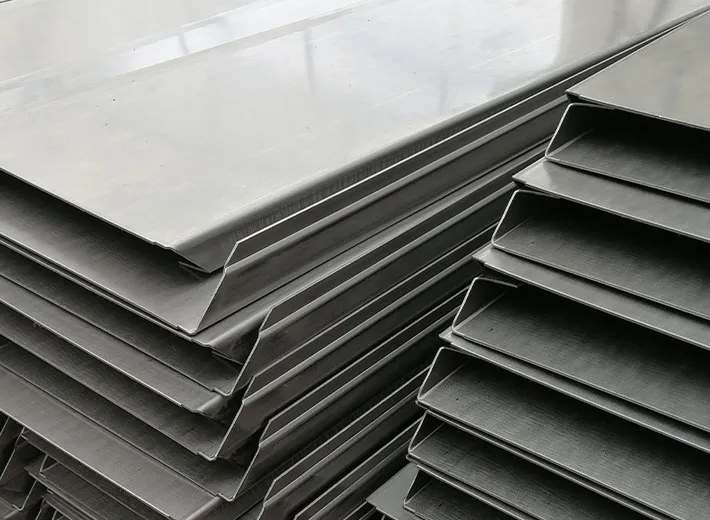
- custom profiles for the casing edges
- different hole layouts via punch tooling or CNC programming
- compatible profile sets for door frames (including a door frame roll forming machine if needed in the full project scope)
On Chenlong’s side, the company positioning emphasizes customized equipment and special-shaped profiles for different industries, plus full-chain delivery and training support.
My buyer-side tip: ask for a “profile confirmation pack” before production:
- drawing of the formed profile
- critical dimensions + tolerances
- hole position map
- sample photos of the first-off finished product
Can one line also produce fire damper / damper parts and cable tray profiles?
Many buyers don’t want separate lines for every product. They want a platform: one factory can run fire cabinet casings today, and cable tray profiles tomorrow.
In practice, this depends on your product family:
- If you produce electrical cabinet enclosures, you often also need cable tray profiles for the same projects (power distribution systems).
- If you supply fire-related infrastructure, you might also have fire damper and damper frame components (depending on your HVAC/fire protection scope).
Chenlong’s site positions solutions across electrical cabinet, fire protection enclosures, and cable tray related profiles—so the “multi-industry” path is a real target for many buyers.
Important reality check: swapping between product types may require changing roll tooling (roll sets), guides, and sometimes punching dies. So yes, you can share a platform, but you should plan for changeover time and tooling management.
How to choose a roll forming machine manufacturer for overseas delivery?
This is where AIDA becomes real: you’re not just buying a machine—you’re buying outcomes.
What overseas buyers should verify
- Can the supplier deliver a complete roll forming solutions package (design → build → FAT → shipment → training)?
- Do they have in-house manufacturing capability (CNC, tooling, assembly) to control quality?
- Do they support your industries (fire safety enclosures, electrical boxes, racking) with real project references?
- Can they provide training and fast response after delivery?
Chenlong’s “about us” positioning highlights high-precision cold bending forming equipment, turnkey automated systems, strong industrial chain synergy, dual-track training, and 24-hour after-sales response—exactly the support logic overseas customers typically want.
Mini case story
A regional fabricator producing fire hose cabinets struggles with:
- inconsistent hinge hole positions
- slow manual punching
- frequent rework on door alignment
After switching to an integrated rolling forming + punch + cut-to-length approach:
- hole positions stabilize
- assembly time drops
- output becomes predictable
This is the “Desire” moment: the factory doesn’t just buy a roll forming machine—they buy calmer production days.
FAQs
What’s the difference between rolling forming and bending with a press brake?
Rolling forming shapes metal gradually through many rollers in a continuous process, while a press brake makes discrete bends one step at a time. Rolling forming is usually better for long runs and consistent profiles.
Can a roll forming production line handle stainless steel cabinet parts?
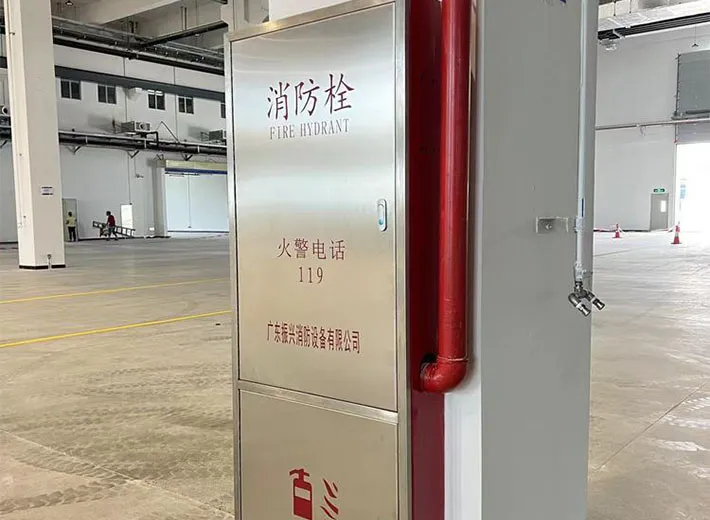
Yes. Many cabinet and fire enclosure applications use powder-coated steel or stainless for corrosion resistance, depending on the environment and project needs.
How do I know my punch station will match my cabinet drawings?
Ask for a hole map, tooling plan, and first-off samples. Also confirm strip guiding and position control before punch—this is how you protect hole-to-edge distances. (This is standard best practice in integrated roll forming + punching setups.)
Can I produce different cabinet sizes on one machine?
Often yes, but it depends on your profile family. Some size changes require tool swaps or adjustable guides. The best approach is to define your cabinet series early and build a customization plan around it.
What should I request before I place an overseas order?
Request a full proposal: layout, power specs, cycle expectations, tooling list, FAT plan, packing list, and training plan. Strong suppliers also provide global logistics support and service response commitments.
Can the same supplier support cable tray and rack profiles too?
Many buyers prefer one partner for multiple product lines. Chenlong specifically positions solutions across electrical cabinets, cable tray profiles, fire protection enclosures, and racking-related products.








 11:42
11:42