











Entreprise
02 September 2026
Warehouse Racking Systems and Warehouse Shelving: How to Choose the Right Storage Solution
Poor storage planning wastes floor space, slows picking, and increases product damage. The…
 16:25
16:25 Poor storage planning wastes floor area, slows picking, and puts people and goods at risk. As inventory grows, the problem becomes harder to control. The right warehouse shelving, rack layout, and material handling plan can turn crowded space into a safe, organized, and productive operation.
An effective shelving system matches the stored products, load weight, pallet dimensions, picking method, lift equipment, building height, and future growth. Light products may suit boltless or metal shelves, while palletized goods usually need engineered rack structures designed for the expected loads and working environment.
Un industrial shelving system is a group of frames, shelves, beams, braces, connectors, and supports designed to hold goods in a planned layout. It may store cartons, tools, components, long materials, bins, or unit loads.
Unlike home furniture, an industrial system must work with real operational demands. Buyers need to consider load weight, handling method, access frequency, aisle width, building conditions, and worker safety. A small error in capacity or layout can affect an entire operation.
Common systems include:
Each option solves a different problem. There is no single best answer. The right shelving depends on what you store, how workers access it, and how often the inventory changes.
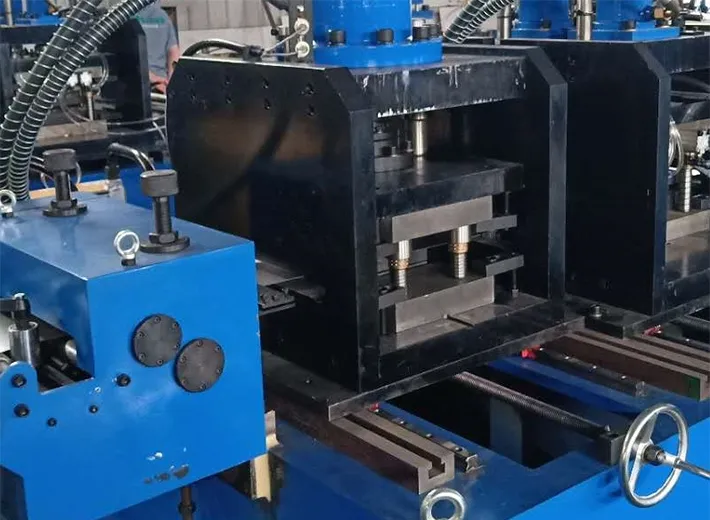
Begin with the products, not the catalog. List each item’s dimensions, weight, packaging, turnover rate, handling method, and required access. This creates a clear picture of your storage needs before you compare equipment.
A useful survey should include:
| Question | Why It Matters |
| What will be stored? | Determines the required shelf shape and surface |
| How much does each load weigh? | Affects beam, upright, and shelf design |
| Will the loads be palletized? | Determines whether pallet-support structures are required |
| How frequently will items be picked? | Influences accessibility and storage location |
| What equipment will handle the loads? | Determines aisle width and clearance requirements |
| How much vertical space can the facility use? | Affects the vertical storage layout |
| Is the inventory expected to grow? | Determines future expansion requirements |
| Is the storage area wet or corrosive? | Affects material and coating selection |
Measure usable floor area, ceiling height, columns, doors, fire protection equipment, lighting, and traffic paths. Do not treat every open area as available storage space. Emergency access, exits, electrical equipment, sprinklers, and safe working clearance still matter.
Then classify inventory:
This step helps define the right storage method for each group. Fast-moving cartons may need gravity flow lanes near packing stations. Long steel sections may suit cantilever structures. Reserve inventory may go higher or farther from dispatch.
The system should match both the product and the picking process. A facility that stores thousands of small components needs a different solution from one handling full unit loads.
| Product or Process | Suitable Option | Main Benefit |
| Palletized inventory | Selective pallet racking | Direct access to each unit load |
| Small cartons and parts | Boltless shelving | Simple adjustment and convenient hand picking |
| Long pipes or lumber | Cantilever racking | Unobstructed front access |
| Fast-moving cartons | Gravity flow racking | First-in, first-out inventory movement |
| Washdown areas or highly visible inventory | Wire shelving | Improved airflow and easy inspection |
| Dense archive or tool storage | Mobile shelving | Fewer fixed aisles and better space utilization |
| Temporary bulk items | Stack racks | Flexible use of floor space |
A shelving unit for hand-loaded cartons normally uses solid decks, wire decks, or individual steel shelves. It should be deep enough to support the item without creating unsafe overhang.
Industrial shelving can also include drawer cabinets, bin units, and special structures. The most effective plan may combine several systems instead of forcing every item into one design.
For example, a maintenance storeroom may use:
This mixed approach provides a practical shelving solution without wasting space on oversized equipment.
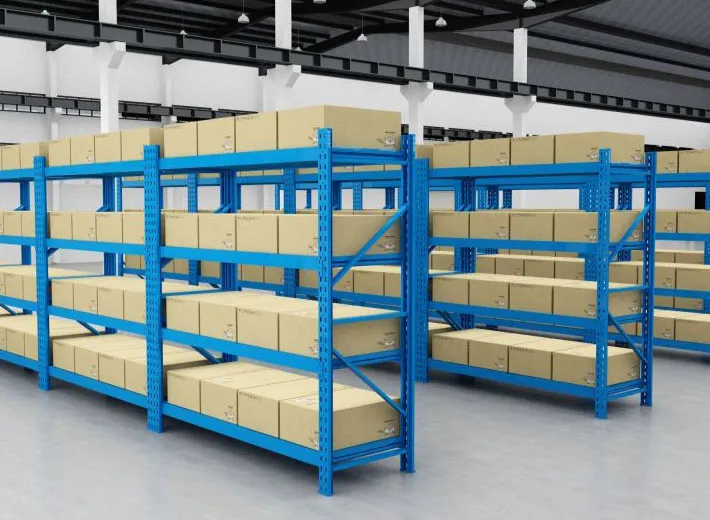
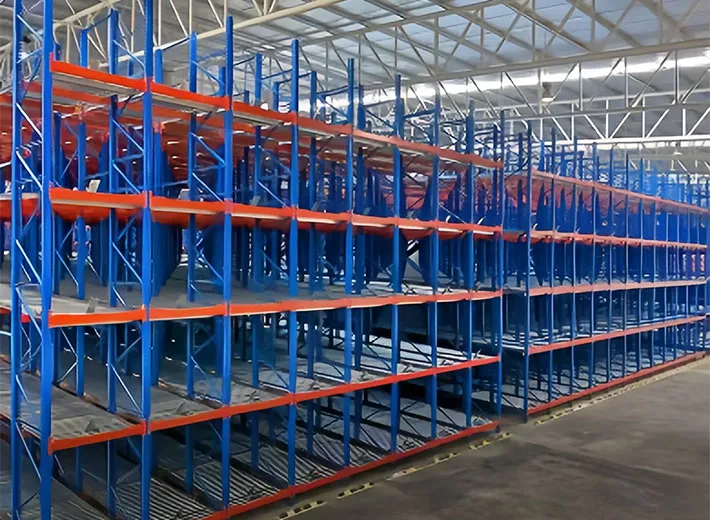
A pallet rack is designed to hold palletized loads above the floor. It normally uses upright frames, horizontal beams, connectors, and optional decking or support bars. Selective designs provide direct access to each pallet position.
Before choosing one, confirm:
Do not base a purchase only on beam length or upright height. Frame depth, steel grade, connector design, bracing, anchors, beam capacity, and system configuration all affect performance.
The Rack Manufacturers Institute promotes the safe and effective use of industrial steel storage racks and related handling structures. Buyers can review guidance through the Rack Manufacturers Institute. Final design and installation should follow applicable engineering requirements, manufacturer instructions, and local rules.
A palletized operation may also use drive-in, push-back, flow, double-deep, or mobile designs. These options can increase density, but they change selectivity, equipment access, and operating procedures.
Boltless shelving uses interlocking posts, beams, and shelf supports that assemble with few or no nuts and bolts. It is popular for cartons, tools, retail backrooms, and light manufacturing stores.
Its main benefits include:
Rivet shelving is a common boltless form. Riveted beam ends fit into slots in the posts. The structure can be simple and cost-effective, but the user must still follow its rated load and assembly instructions.
Wire shelving uses open wire decks or shelves. The open surface supports airflow, visibility, and cleaning. It can suit food service, healthcare, electronics, and dry storage, depending on its finish and load rating.
Metal shelving generally provides a flat, durable surface for boxes and loose items. Closed side panels can improve separation, while open shelving gives faster access and visibility.
An adjustable industrial shelving design works well when product sizes change. Yet adjustment holes and slots must remain accurate. Poor spacing or weak connections can make a unit difficult to assemble or reduce stability.
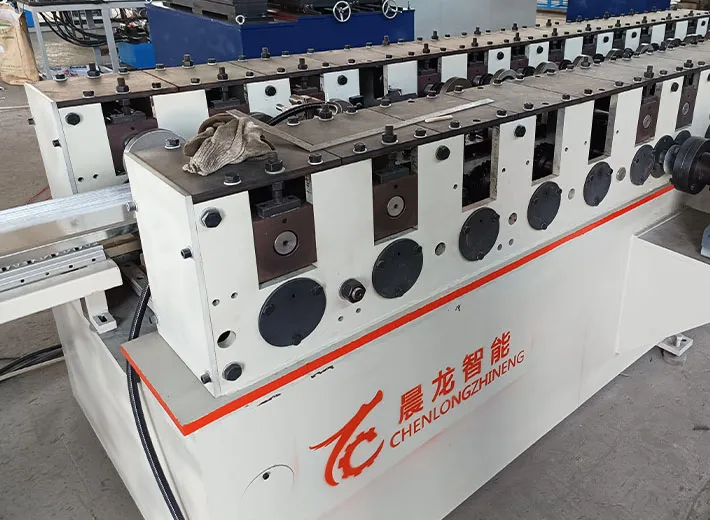
A well-planned layout reduces travel, searching, rehandling, and picking errors. Workers know where products belong. Lift equipment follows clear routes. Fast-moving items stay close to packing or production.
The right system can improve productivity by:
A system that maximizes storage capacity is not necessarily the system that fills every empty area. Overly dense layouts can slow access and create congestion. The best plan balances density, selectivity, safety, and handling time.
Consider three simple performance measures:
| Metric | What It Shows |
| Picks per labor hour | Order-picking efficiency |
| Travel distance per order | Warehouse layout efficiency |
| Storage locations used | Space utilization |
A good storage solution supports both today’s inventory and reasonable future change. Modular parts, adjustable beam levels, and planned expansion areas can make later reconfiguration easier.
The storage structure and material handling equipment must work as one system. Forklifts, reach trucks, pallet jacks, order pickers, carts, and conveyors need different aisle widths and operating clearances.
For pallet operations, confirm:
Hand-loaded storage shelving needs a different plan. Shelf height should support safe access, and frequently picked goods should sit within a comfortable working range. Very heavy cartons should not be stored where workers must lift them above shoulder level.
For warehouse storage and material handling, design traffic paths early. Do not squeeze equipment into a layout developed only from a floor drawing.
Good planning also considers the material handling needs of future products. A change in pallet size, packaging, or lift equipment may affect aisle width and beam spacing across the whole facility.
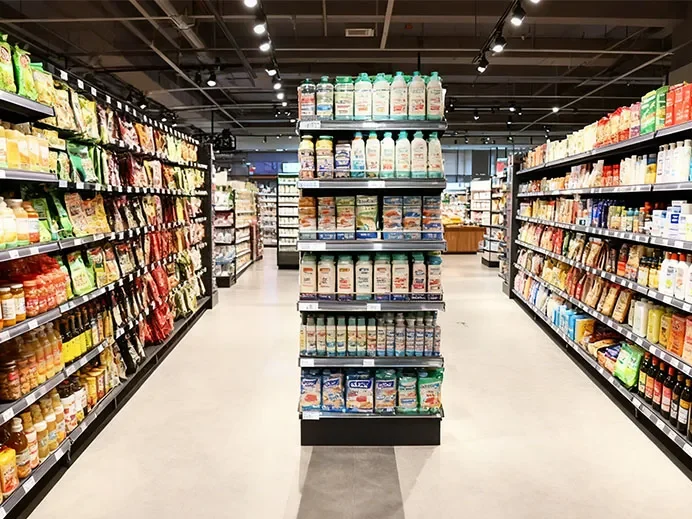
Storage products depend on repeatable steel components. Uprights need accurate slots. Beams need stable cross-sections. Shelf panels need clean edges and consistent dimensions. Small errors can slow assembly across thousands of parts.
At Weifang Chenlong Intelligent Technology Co., Ltd., we specialize in high-precision cold bending forming equipment, custom automated production lines, and shaped profiles. Our roll-formed steel profiles for industrial racking can support uprights, beams, shelf components, and custom sections based on buyer drawings.
Cold roll forming shapes metal strip through several roller stations. Each station makes a controlled bend until the final profile is complete. The process is useful for long parts with a constant cross-section and repeated production volumes.
Typical products include:
A profile manufacturer must consider more than shape. Steel grade, thickness, hole pattern, straightness, cut length, surface treatment, and connector geometry all affect final assembly.
A modern line can connect several separate factory operations. Material moves from coil feeding to the finished profile with fewer manual transfers.
Chenlong’s Ligne de production automatique de rayonnages d'entrepôts et de supermarchés can integrate:
This approach supports repeatable hole positions and stable profile dimensions. It can also reduce work-in-process inventory between punching, bending, and cutting stations.
Consider a manufacturer producing uprights in several lengths. In a manual process, workers measure the strip, punch each slot pattern, move the material, form the profile, and cut the final part. Every transfer adds time and creates another chance for error.
An integrated line uses programmed feeding and punching. The roll former shapes the strip continuously, and the cut-off produces the set length. The factory may gain:
The actual result depends on material, profile design, speed, tooling, automation level, and changeover method. We review these details before recommending a machine.
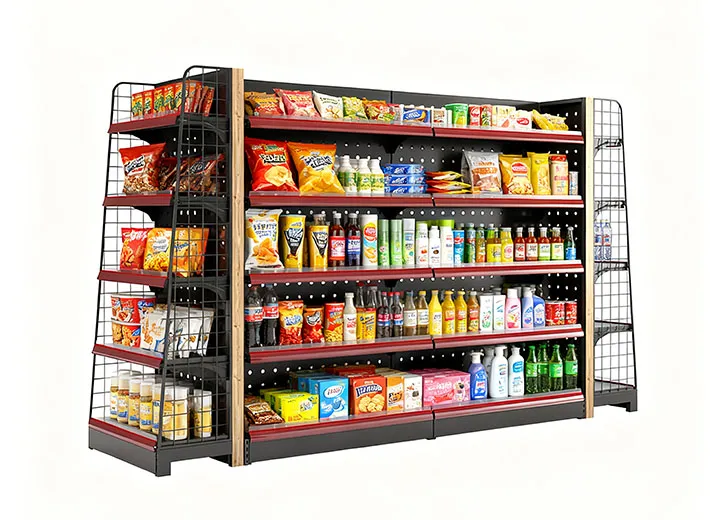
A machine supplier cannot design a reliable line from a product name alone. Clear project information saves time and reduces technical risk.
Manufacturers should provide:
If one machine must make several shelving designs, explain which dimensions change. An adjustable machine may support width changes, while another product may need separate rollers or punching dies.
For a complete industrial storage project, manufacturers may need several lines for uprights, beams, panels, and braces. Chenlong can review the full product family and help determine which parts can share production stages.
Our warehouse light-duty racking solutions support suppliers that need custom profiles, production equipment, or both. We also serve distributors and OEM partners seeking scalable manufacturing support.
Industrial shelves usually hold cartons, bins, tools, or individual products loaded by hand. Pallet structures support unit loads handled by forklifts or similar equipment. Their components, load ratings, and operating methods differ.
It can suit some heavy-duty storage needs if the exact unit has a verified rating for the intended load. Buyers should check the capacity of each shelf and the complete structure rather than relying on the word “heavy duty.”
Operators should perform regular visual checks and arrange detailed inspections according to risk, usage, manufacturer guidance, and applicable rules. Any impact or visible damage should trigger immediate isolation and review.
Yes. A customized forming line can produce adjustable shelves, uprights, beams, and related parts when the profile, slots, dimensions, and tooling are designed for them.
No. It can increase density by reducing fixed aisles, but floor loading, movement controls, emergency access, fire protection, and operating procedures must be reviewed.
We need drawings or samples, steel type, thickness, profile sizes, punching details, cut lengths, output target, and desired automation. We also need to know how many products the machine must produce.
The right storage system begins with clear product data, safe load planning, suitable handling equipment, and a practical layout. For manufacturers, it also begins with accurate profiles and repeatable production.
Weifang Chenlong Intelligent Technology Co., Ltd. provides cold roll forming equipment and custom metal profiles for the material handling industry. We help global manufacturers, distributors, and OEM partners produce shelf panels, uprights, beams, brackets, and other components with greater consistency.
If your current process relies on repeated measuring, separate punching, manual bending, or excessive material movement, an automated line may create a more stable path to growth.
Contact Chenlong with your drawings, material specifications, product range, and production target. Our engineering team will review your needs and propose a customized manufacturing solution.
Poor storage planning wastes floor space, slows picking, and increases product damage. The…
Loose electrical lines create blocked access, poor airflow, slow maintenance, and higher d…
Nous vous répondrons dans les 24 heures. En cas d'urgence, veuillez ajouter WhatsApp/WeChat : +8613863639320,. Ou appelez directement +8613863639320.
*Nous respectons votre confidentialité et toutes les informations sont protégées.
Nous n'utiliserons vos informations que pour répondre à votre demande et n'enverrons jamais de messages électroniques ou promotionnels non sollicités.