




Entreprise
20 September 2026
Warehouse Racking Systems & Shelving Production Guide
Moving a warehouse shelving line from standard to custom profiles changes four things: too…
 11:27
11:27 Le formage à froid est un processus utilisé pour façonner des feuilles ou des bandes de métal en profils complexes à travers une série de rouleaux. Contrairement au laminage à chaud, qui implique des températures élevées, le formage à froid fonctionne à des températures proches de la pièce, ce qui le rend idéal pour produire des pièces de haute résistance et de précision. Le processus améliore l'intégrité structurelle des profils métalliques et est particulièrement efficace pour les lignes de production continues.
Avantages du formage à froid
Le processus de formage à froid fonctionne en alimentant en continu une bande de métal à travers une série de rouleaux. Ces rouleaux façonnent progressivement le métal en le profil désiré, qui peut inclure des courbures, des angles, et d'autres formes structurelles. Le matériau n'est pas chauffé pendant ce processus, ce qui le rend plus économe en énergie et adapté à la production de produits de haute résistance avec des dimensions précises.
Le processus de formage à froid
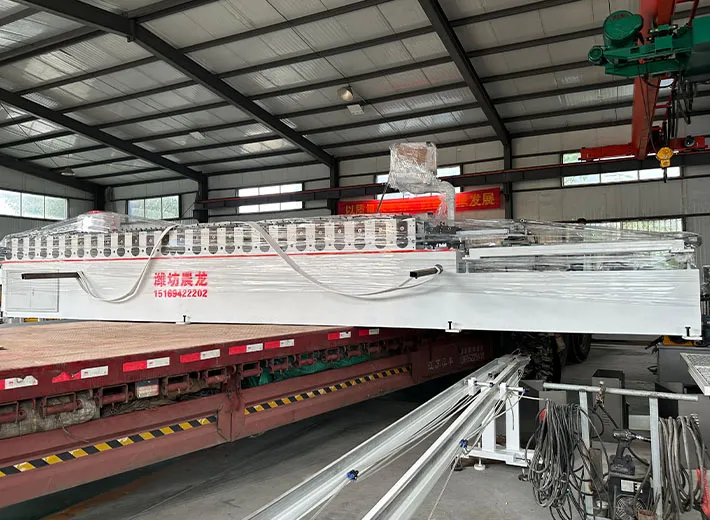
Le formage à froid offre de nombreux avantages qui en font un choix populaire pour les fabricants. Le processus fournit des taux de production élevés, une précision dimensionnelle supérieure et une faible consommation d'énergie. D'autres avantages notables incluent :
Il existe plusieurs types de machines de formage à froid, chacune conçue pour répondre aux besoins spécifiques de différentes industries. Parmi les types les plus courants, on trouve :
Formage à rouleau vs autres méthodes de formage de métal
Contrairement à d'autres méthodes telles que l'estampage ou la découpe, le formage à froid produit des pièces avec une meilleure homogénéité et moins de déchets. Il est également plus adaptable aux séries de production à haut volume.

Le formage à froid est utilisé dans de nombreuses industries en raison de sa polyvalence. Certaines des applications les plus courantes incluent :
Étude de cas : industrie de la toiture
Dans l'industrie de la toiture, les machines de formage à froid sont utilisées pour produire des feuilles de métal de toiture de haute qualité avec des dimensions précises. Cela permet aux fabricants de créer des matériaux de toiture durables et rentables adaptés aux bâtiments commerciaux et résidentiels.
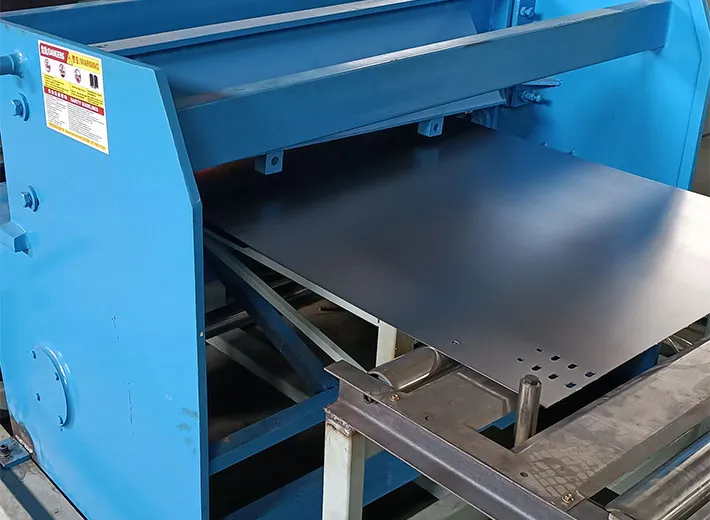
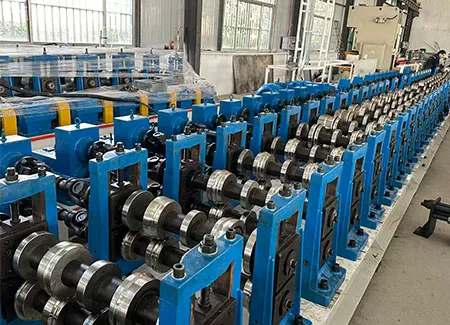
Le formage à froid Les machines sont composées de plusieurs composants clés qui travaillent ensemble pour façonner le métal. Ceux-ci incluent :
Rouleaux dans les machines de formage à froid
Les rouleaux sont responsables de la mise en forme de la feuille de métal en la courbant progressivement vers le profil requis. Différents ensembles de rouleaux sont utilisés pour façonner diverses formes, telles que des purlins en C, des purlins en Z, et des feuilles ondulées.
L'une des caractéristiques remarquables des formage à froid machines est leur capacité à être personnalisées pour répondre à des besoins de production spécifiques. Que vous ayez besoin d'une machine de formage de purlin ou d'une machine de feuilles de toiture sur mesure, ces machines peuvent être adaptées à vos exigences.
Pourquoi la personnalisation est-elle importante?
Personnaliser votre machine de formage à froid garantit qu'elle s'intègre parfaitement à votre chaîne de production. Que vous fabriquiez des profils métalliques pour une industrie spécifique ou créiez une forme unique, la personnalisation améliore l'efficacité et la production.
Quels matériaux peuvent être traités avec des machines de formage à froid?
Les machines de formage à froid peuvent traiter une variété de métaux, y compris l'acier, l'aluminium et l'acier inoxydable.
Quelle est la différence entre le formage à froid et le laminage à chaud?
Le formage à froid est réalisé à température ambiante, offrant une meilleure précision et une efficacité énergétique par rapport au laminage à chaud, qui nécessite des températures élevées.
Les machines de formage à froid peuvent-elles être personnalisées pour des applications spécifiques ?
Oui, les machines de formage à froid sont hautement personnalisables pour répondre aux besoins spécifiques de différentes industries, y compris l'automobile, la construction et la toiture.
Quelle est la vitesse maximale des machines de formage à froid ?
La vitesse des machines de formage à froid dépend de la complexité du profil produit, mais les lignes de production à grande vitesse peuvent produire des milliers de pièces par heure.
Les machines de formage à froid sont des outils essentiels dans la fabrication moderne de métaux, offrant des solutions précises, efficaces et personnalisables pour des industries allant de la construction à l'automobile. Avec les avancées en automatisation et en personnalisation, ces machines continueront à façonner l'avenir du traitement des métaux, garantissant des produits de haute qualité avec un minimum de déchets. Si vous cherchez à améliorer votre ligne de production avec les dernières technologies de formage à froid, Weifang Chenlong Intelligent Technology Co., Ltd. est là pour vous fournir les meilleures solutions.
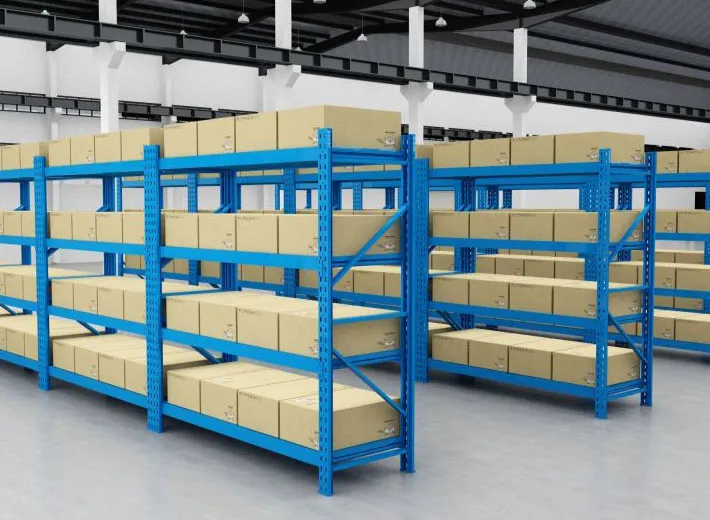
Moving a warehouse shelving line from standard to custom profiles changes four things: too…
Chenlong’s roof and wall panel line is a factory-based automated roll forming system…
Nous vous répondrons dans les 24 heures. En cas d'urgence, veuillez ajouter WhatsApp/WeChat : +8613863639320,. Ou appelez directement +8613863639320.
*Nous respectons votre confidentialité et toutes les informations sont protégées.
Nous n'utiliserons vos informations que pour répondre à votre demande et n'enverrons jamais de messages électroniques ou promotionnels non sollicités.