






Empresa
26 March 2026
Automatic Cabinet Roll Forming Machine Production Line for Fire Protection Cabinet Casings
An automatic cabinet roll forming machine production line uses advanced cold roll forming …
 10:21
10:21 If your shelving lines keep fighting deflection, inconsistent hole spacing, or bent uprights, you pay twice—first in scrap, then in slow installation. It gets worse when a big construction project needs tight delivery dates. The fix is not “work harder.” It’s choosing the right cold-formed steel profiles and a stable forming plan.
Cold-formed steel profiles for supermarket shelving systems are roll-formed parts (uprights, beams, shelf panels, and frames) made from steel coil at near room temperature. They deliver repeatable dimensions, high strength, and fast assembly—especially when you specify thickness, coating, and tolerances correctly.
Supermarket and warehouse shelve components need three things: stable shape, predictable holes, and strong load support. Cold-formed profiles hit these needs because they are made in a controlled forming line that keeps dimensions steady from piece one to piece ten thousand. That steady output matters when you ship shelves to multiple stores and want the same install result every time.
From a buyer’s view, cold-formed steel is also easier to standardize. When I help customers review drawings, I always look for repeatable patterns: upright slots, beam hook geometry, and shelf panel stiffness ribs. A good cold formed steel design uses simple repeatable geometry—then lets the forming process do the hard work.
This is exactly why many “profile + equipment” suppliers focus on warehousing and retail storage. Chenlong’s shaped profiles coverage includes roll formed shelf laminate profiles and profiles for warehouse shelving and industrial racking, with optional punching and fully automatic operation for different specifications.
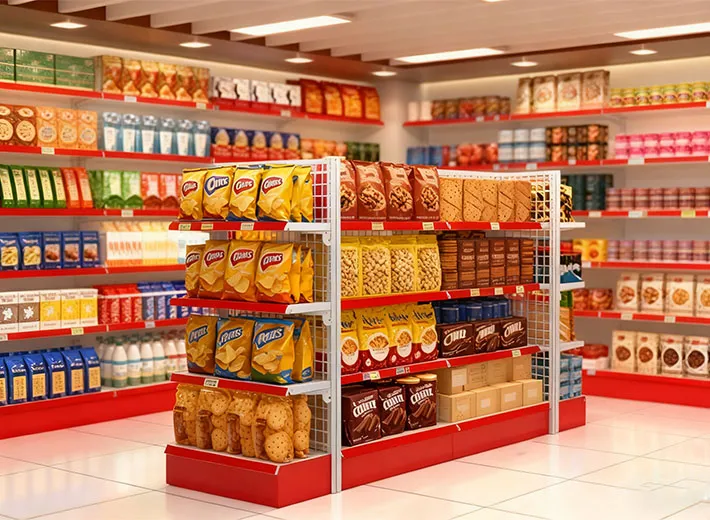
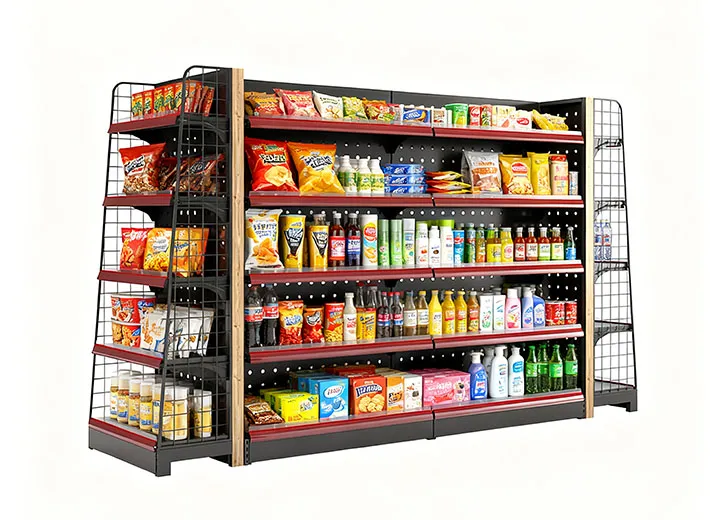
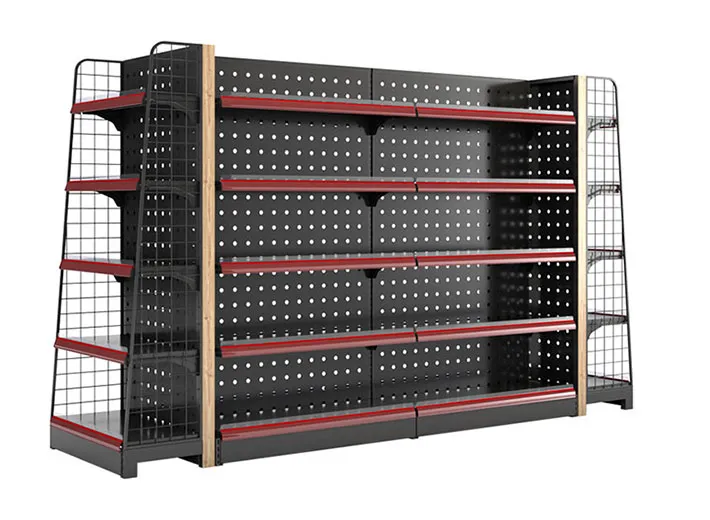
A supermarket shelving frame is not one part. It’s a system. Most shelving systems include:
Here’s a simple “system view” of where steel matters most:
When you design and buy cold-formed steel shelving, the main performance comes from geometry plus coating—especially in humid retail environments where corrosion can shorten life.
Chenlong highlights roll formed steel profiles for warehouse shelving and industrial racking and supports optional punching/slotting to match your design requirements.
The advantages of cold-formed steel show up in real-world use:
For supermarket shelving, the “quiet killer” is corrosion. Stores clean floors, humidity changes, and product spills happen. That’s why many shelf parts use galvanized steel or zinc-coated materials. A protective zinc layer helps reduce corrosion and extends life, especially when edges and punched holes are treated correctly.
Retail isn’t only shelves. Many supermarkets sit inside commercial buildings that use steel framing or mixed systems. When you sell shelving into these projects, buyers often request:
Cold-formed systems also appear in wider steel construction, especially where light-gauge members help speed assembly. Cold-formed steel framing is valued for precision manufacturing and dimensional stability—two things that reduce surprises on site.
So, even if your main product is shelving, understanding the bigger project helps you win bids. It’s easier to work with contractors when your drawings show clear anchors, bay spacing, and load paths.
Many buyers ask this because retail renovations move fast.
Wood framing can be cheaper in some markets, but it can warp, swell, and vary in size—especially under moisture changes. In contrast, cold-formed steel stays consistent, doesn’t rot, and keeps shape over time.
For shelving systems, the real takeaway is simple:
That consistency directly reduces “install time per store.” And in retail, time is money.
Now let’s connect the engineering to your buying decision.
Weifang Chenlong Intelligent Technology Co., Ltd. is positioned as a high-tech manufacturer of high-precision cold bending forming equipment and customized automated production lines—covering metal profile processing workflows from feeding and leveling to punching, forming, cutting, and handling.
For shelving and racking buyers, this matters because you may need:
Chenlong’s site specifically highlights roll formed steel profiles for shelving and racking, and it emphasizes optional punching/slotting plus fully automatic operation for different specifications.
Cold-formed steel (CFS) is steel shaped by cold-working processes near room temperature, such as rolling, stamping, and bending. It’s widely used for thin gauge sections and repeatable profiles.
Because cold-formed profiles are consistent, scalable, and easy to standardize. They support fast assembly and repeat orders, especially when parts are roll formed from coil with controlled punching and cutting.
Often yes—especially where humidity, cleaning chemicals, or spills are common. Zinc or metallic coatings help improve corrosion protection and extend service life.
Start from your load rating and allowable deflection. Then choose thickness and profile geometry together. A well-designed cold-formed profile can achieve strength with efficient weight.
Yes. Steel is widely recycled, and many cold-formed steel framing resources highlight sustainability benefits tied to recycling.
For engineered structural members, many regions reference standards such as AISI S100 (North America) for design rules. Even if shelving is not a building frame, standards thinking helps you specify responsibly.
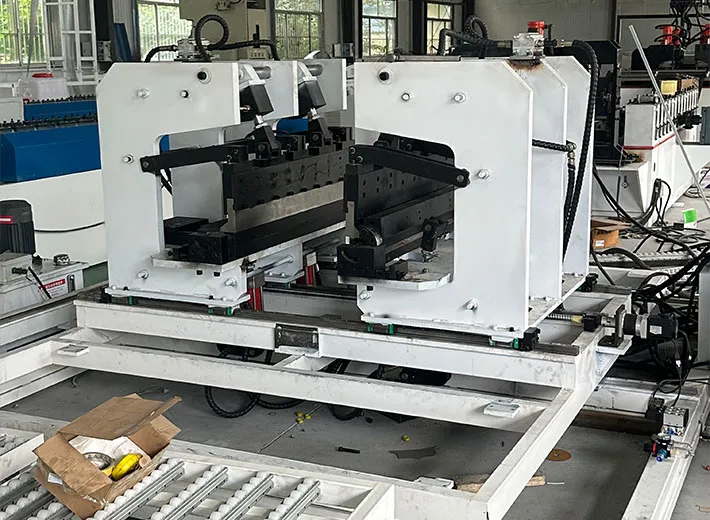
An automatic cabinet roll forming machine production line uses advanced cold roll forming …
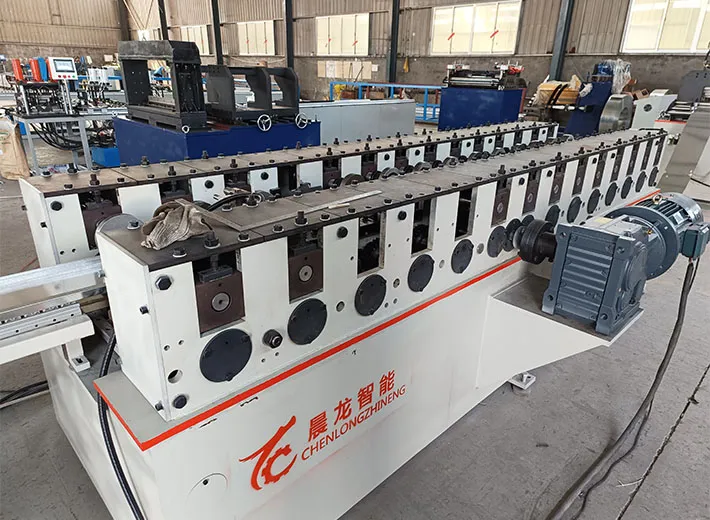
A cable tray roll forming machine production line is a fully automated system that uses co…
Le responderemos en un plazo de 24 horas. Si para el caso urgente, por favor agregue WhatsApp/WeChat: +8613863639320,. O llame directamente a +8613863639320.
*Respetamos su confidencialidad y toda la información está protegida.
Sólo utilizaremos sus datos para responder a su consulta y nunca le enviaremos correos electrónicos o mensajes promocionales no solicitados.