











Empresa
20 September 2026
Warehouse Racking Systems & Shelving Production Guide
Moving a warehouse shelving line from standard to custom profiles changes four things: too…
 11:04
11:04 Las áreas de acceso inseguras le cuestan dinero, tiempo y confianza a las fábricas. Cuando falla un peldaño de escalera, un panel de rejilla o una superficie de pasarela, ocurren resbalones y caídas. Una línea de producción completamente automática le ayuda a fabricar productos de peldaños de acero antideslizantes más seguros y consistentes a gran escala.
En línea de producción automática para peldaños de escaleras de reja y peldaños de acero antideslizantes es un sistema de fábrica que desenrolla bobinas, las nivela, las alimenta, las perfora, las forma en frío y las corta en perfiles de peldaños terminados. Ayuda a los fabricantes a producir peldaños de acero duraderos y antideslizantes, partes de reja de acero para pasarelas y productos relacionados con rejas con mejor consistencia, velocidad y personalización.
Un peldaño de escalera de rejilla es un componente de peldaño diseñado para proporcionar una base estable a las personas en escaleras, plataformas y áreas de acceso para mantenimiento. En proyectos reales, puede ser parte de una escalera de rejilla, una plataforma de acceso de acero, una zona de rejilla en zanjas o una pasarela utilitaria. Los compradores a menudo relacionan estos productos con la ingeniería municipal, túneles de servicios públicos, sistemas de drenaje, estructuras de acero de pasarela y puntos de acceso industrial donde la seguridad y el drenaje importan al mismo tiempo.
En términos prácticos, las rejillas de acero, las rejillas de barras, los paneles de rejilla y las partes de peldaños antideslizantes resuelven el mismo problema: crean una superficie de caminar resistente mientras reducen el agua estancada, el barro y los escombros. Por eso los ves en canales de drenaje, pozos de registro, sistemas de escaleras de rejilla de acero en exteriores, rejillas de acero en aceras, rejillas de acero para pasarelas y áreas de servicio de acero de alta resistencia. La línea de peldaños de alcantarillado de Chenlong está posicionada exactamente alrededor de esta necesidad: acceso seguro y antideslizante en sistemas de alcantarillado subterráneo, canales de drenaje y túneles de servicios públicos.
La respuesta corta es simple: seguridad, tiempo de actividad y cumplimiento. Un peldaño de escalera resbaladizo o una nariz desgastada en el borde delantero de una escalera pueden convertir una pequeña ruta de mantenimiento en un peligro. En plantas húmedas, sitios de servicios públicos en exteriores o áreas propensas a aceite, los compradores quieren peldaños de escaleras antideslizantes que ofrezcan mejor tracción, mejor drenaje y footing más estable. Cuando los ingenieros eligen un peldaño con mayor resistencia al deslizamiento, están tratando de prevenir resbalones y caídas antes de que se conviertan en problemas costosos.
También vemos un cambio en el comportamiento de compra. Los compradores ya no quieren sólo una pieza barata. Quieren repetibilidad, entrega más rápida y una línea que pueda manejar diferentes necesidades de perfil. Esto incluye peldaños de acero, componentes de rejilla de zanjas, partes de rejilla de acero estructurales e incluso productos relacionados para aplicaciones de acero de pasarelas o de construcción decorativa. Aquí es donde una línea de producción se vuelve más valiosa que una máquina independiente, porque apoya una producción estable, consistencia dimensional y escalabilidad más fácil. La página de productos de Chenlong enfatiza el diseño de seguridad antideslizante, la resistencia a la corrosión y la instalación a medida tanto para nuevos proyectos como para trabajos de retrofitting.
No todos los compradores utilizan el mismo vocabulario. Algunos buscan peldaños de rejilla de acero, algunos piden peldaños de escaleras de rejilla con antideslizantes, y otros quieren soluciones de peldaños de rejilla de acero para trabajos de acero en pasarelas o rejillas de acero para pasarelas. Muchos también comparan peldaños antideslizantes formados en frío con rejillas de acero más tradicionales, rejillas de barras soldadas o productos de rejilla utilizados en trabajos de rejillas en zanjas y plataformas. with more traditional steel gratings, welded bar grating, or grating products used in trench grating and platform work.
Las categorías de comparación comunes incluyen:
En términos de intención de búsqueda, los compradores suelen moverse entre el lenguaje de producto terminado y el lenguaje de maquinaria. Un día preguntan sobre tipos de rejilla de acero. Al día siguiente preguntan cómo se fabrica la rejilla de acero. Luego comparan una línea de formado en frío con líneas de producción de soldadura a presión completamente automáticas u otros sistemas de producción de soldadura a presión completamente automáticos de última generación utilizados para formatos de rejilla soldada. Por eso un buen proveedor debe entender tanto el lado del producto como el lado del equipo.
En una escalera húmeda, la diferencia entre suave y dentado no es menor. Es la diferencia entre "caminar con cuidado" y "caminar con confianza". El acero dentado y los diseños grabados crean más agarre adicional, especialmente en aplicaciones exteriores o subterráneas. La página de productos de Chenlong destaca directamente las superficies dentadas o grabadas por su superior resistencia al deslizamiento en entornos húmedos y corrosivos. Metals Depot también señala que los peldaños de escaleras y las rejillas de barras están disponibles en acabados suaves o dentados según las necesidades de resistencia al deslizamiento.
Aquí es también donde detalles como la nariz, el borde delantero, las narices de peldaños de escaleras antideslizantes y el borde de las placas de suelo se vuelven importantes. El borde delantero de la escalera recibe el mayor contacto. Si esa área está bien formada, el usuario obtiene mejor tracción. Si el proyecto es propenso al aceite, el agua o el barro, los compradores suelen pedir propiedades antideslizantes adicionales. En lenguaje simple, las superficies dentadas brindan más confianza bajo los pies. Por eso, los peldaños de escaleras con características antideslizantes y los peldaños con geometría antideslizante siguen siendo términos de búsqueda de alto valor, incluso cuando el lenguaje es confuso.

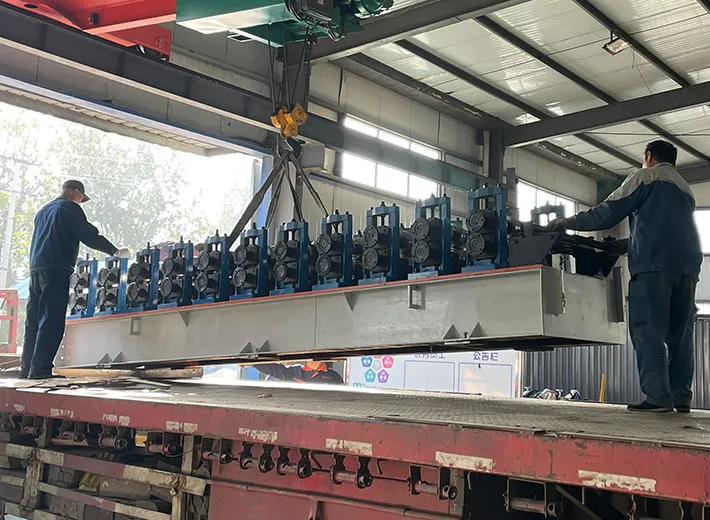
Siempre digo a los compradores lo mismo: el producto final se decide mucho antes del corte final. La máquina desenrolladora controla una tensión de desenrollado estable. El nivelador elimina el estrés y corrige la planitud. La máquina alimentadora servo bloquea la longitud de alimentación y el tiempo. La prensa de punzón o la estación de prensa crea agujeros, ranuras y formas que luego determinan la precisión del ensamblaje. Luego, la máquina de formado en frío forma gradualmente el perfil, lo cual es crucial para mantener el peldaño recto y repetible. Chenlong enumera todos estos módulos como partes centrales de la línea.
Algunos proyectos también necesitan apoyo de máquinas de soldadura láser CNC, unión secundaria o operaciones de post-formado dependiendo de la familia de productos finales. Otros añaden una máquina paletizadora o apiladora para estabilizar el empaquetado posterior. El verdadero valor de una línea sólida no es una máquina. Es la forma en que cada módulo trabaja en conjunto, desde el equipo de alimentación de bobinas hasta el manejo de piezas terminadas. Ese flujo de trabajo integrado es central para la posición de Chenlong como fabricante de máquinas de formado en frío en China, enfocado en líneas automatizadas personalizadas para la fabricación de perfiles metálicos.
En Chenlong, el atractivo no es sólo el suministro de máquinas. La empresa se presenta como un fabricante integrado de equipos de formado en frío y perfiles, con un modelo de "equipo + perfiles", personalización OEM/ODM e integración de flujo de trabajo de una sola parada desde el desenrollado hasta el empaquetado. La empresa está basada en Weifang, Shandong, ha estado operando desde 2006 y destaca las aprobaciones ISO9001, CE y SGS junto con soporte 24/7.
Esa combinación es importante para fabricantes, distribuidores y socios OEM. Un comprador que busca fabricantes de máquinas de formado en frío, fabricantes de máquinas de formado frío, o un fabricante de máquinas de formado en frío en China generalmente quiere más que dibujos de equipos. Quieren asesoría sobre procesos, coincidencia de herramientas, compatibilidad de materiales, planificación de instalaciones y comunicación rápida. Chenlong dice que los clientes pueden enviar dibujos, muestras, especificaciones de materiales o objetivos de producción y recibir una solución personalizada en 24 horas. Para los compradores que buscan escalar productos de formado en frío personalizados, eso reduce la duda y acorta el tiempo de suministro.
Por qué los compradores avanzan
Incluso un peldaño bien hecho puede decepcionar si el plan de instalación es débil. Los compradores deben pensar en los detalles de instalación de la rejilla, el espaciado de soporte, los soportes de escaleras, los puntos de sujeción y si el proyecto utiliza abrazaderas de rejilla de acero, abrazaderas de rejilla deseables o abrazaderas de rejilla de todo tipo. En algunas aplicaciones, el equipo del proyecto compara un peldaño formado con una unidad ensamblada por soldadura o con rejillas de acero soldadas en acabado galvanizado en caliente, especialmente al igualar un sistema de plataforma existente.
Normalmente recomiendo que los compradores definan primero el entorno de ensamblaje completo. ¿El producto es para un túnel municipal, una escalera de mantenimiento de fábrica, una cubierta de rejilla de zanjas, una ruta de acero de pasarela, o incluso para un uso limitado en construcción hogareña? ¿Funciona al lado de soportes de escaleras o sobre una abertura de drenaje? ¿Necesita una nariz formada, un patrón de agujeros o una placa lateral? Esas respuestas moldean el diseño de la línea. Un proveedor sólido no se detendrá en el perfil del peldaño. Preguntará cómo se fija, carga y mantiene el producto. Eso es lo que convierte un concepto básico de rejilla de acero en un sistema terminado confiable.

Antes de invertir, haz preguntas inteligentes. No muchas. Solo las que importan.
Este es el punto donde AIDA se vuelve práctico. La atención comienza con el riesgo de seguridad. El interés crece cuando ves lo que hace la automatización. El deseo aparece cuando te das cuenta de que la línea puede reducir la mano de obra, mejorar la calidad y soportar más familias de productos. La acción llega cuando compartes tu dibujo y dejas que el proveedor transforme un concepto en un diseño viable. Si ya estás comparando líneas de conformado en frío, ahora es el momento de contactarnos y discutir el verdadero objetivo de producción, no solo el título de la máquina.
¿Cuál es la diferencia entre un peldaño de rejilla y un peldaño de acero liso?
Un peldaño de rejilla está diseñado para mejorar el drenaje y la tracción. Un peldaño liso puede funcionar en interiores, pero los diseños de peldaño de estilo rejilla o antideslizante suelen ser mejores para condiciones húmedas, sucias o al aire libre donde la tracción es más importante.
¿El acero inoxidable siempre es mejor que el acero dulce?
No siempre. El acero inoxidable es excelente para la resistencia a la corrosión, pero el acero dulce de rejilla o el acero al carbono con un acabado galvanizado por inmersión en caliente pueden ofrecer un mejor valor cuando el entorno es menos agresivo. La respuesta correcta depende de la exposición, el mantenimiento y el presupuesto.
¿Puede una línea de producción hacer múltiples productos de rejilla?
A menudo sí, pero depende de la familia de perfiles, el patrón de punzonado, el diseño de herramientas y el rendimiento requerido. Por eso es tan importante la ingeniería personalizada en un proyecto de máquina de conformado en frío. Chenlong posiciona sus líneas alrededor de la personalización flexible y las necesidades de producción no estándar.
¿Están disponibles los peldaños de rejilla en acabado galvanizado por inmersión en caliente?
Sí, muchos compradores especifican rejillas en acabado galvanizado por inmersión en caliente u otros tipos en ese acabado para mejorar la durabilidad al aire libre. Es especialmente común para Ingeniería municipal, rejilla de acero de pasarela y proyectos de acceso al aire libre.
¿Qué pasa si mi aplicación es propensa al aceite o al agua?
Entonces debes prestar atención a las superficies superiores serradas, la geometría antideslizante y el diseño del borde de ataque. En áreas propensas al aceite, el objetivo es mejorar la tracción y reducir la posibilidad de resbalones y caídas.
¿Cómo puedo obtener detalles y precios sobre equipos de producción de peldaños de acero?
Comienza con el dibujo del producto, tipo de material, rango de grosor, objetivo de producción y cualquier requisito de agujero o serración. Chenlong dice que puedes enviar dibujos, muestras de perfiles, especificaciones de material o objetivos de producción y recibir una solución a medida en 24 horas.
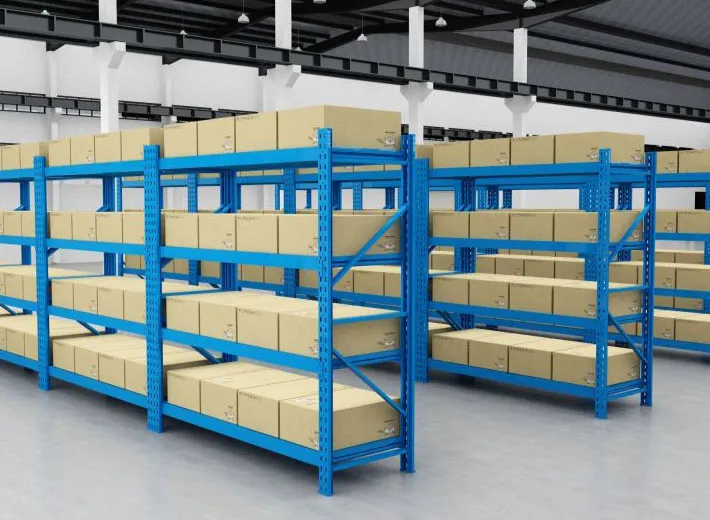
Moving a warehouse shelving line from standard to custom profiles changes four things: too…
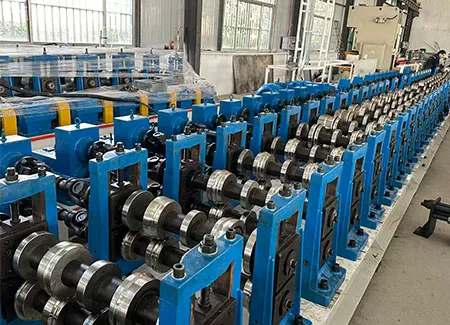
Chenlong’s roof and wall panel line is a factory-based automated roll forming system…
Le responderemos en un plazo de 24 horas. Si para el caso urgente, por favor agregue WhatsApp/WeChat: +8613863639320,. O llame directamente a +8613863639320.
*Respetamos su confidencialidad y toda la información está protegida.
Sólo utilizaremos sus datos para responder a su consulta y nunca le enviaremos correos electrónicos o mensajes promocionales no solicitados.