











Empresa
20 September 2026
Warehouse Racking Systems & Shelving Production Guide
Moving a warehouse shelving line from standard to custom profiles changes four things: too…
 11:42
11:42 Tu negocio de gabinetes de protección contra incendios no puede permitirse una producción lenta, agujeros desiguales o paneles que no se alinean. Esos defectos se convierten en retrabajo, retrasos e instaladores enojados. Un formateo en frío totalmente automatizado la solución aborda la causa raíz: estabiliza el proceso de formateo desde la bobina hasta las piezas del gabinete terminado, con perforación, conformado y corte a medida consistentes.
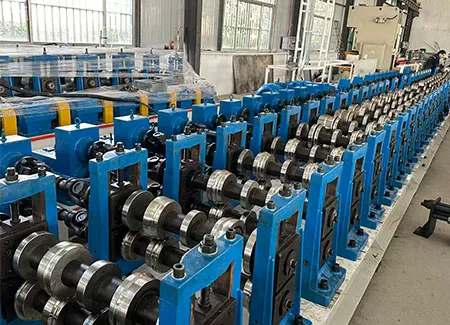
Una línea de producción automática de formateo en frío para carcasas de gabinetes de protección contra incendios es un sistema llave en mano que desenrolla chapa metálica, realiza operaciones de perforación CNC/hidráulica, forma los perfiles del gabinete y termina con cortes y manejo opcional listo para soldar, entregando partes de recinto consistentes a gran escala con menor mano de obra y mayor repetibilidad.
El formateo (muchos compradores también lo llaman formateo en rollo) es una forma continua de darle forma a la chapa metálica para crear un perfil estable. En lugar de hacer una gran curva en una estación, la línea utiliza un conjunto de rodillos para guiar el metal a través de pasos graduales. Cada paso añade una pequeña curva hasta que el perfil coincide con el diseño de tu gabinete.
En una línea de producción de gabinetes, el objetivo es simple: crear piezas de carcasa que encajen limpiamente: paneles laterales, partes del marco de la puerta, placas traseras, rieles de montaje, para que el producto terminado se ensamble más rápido. Cuando el formateo es estable, tus partes de recinto permanecen consistentes desde la primera pieza hasta la última pieza.
Si fabricas gabinetes para incendios (como carretes de manguera contra incendios y gabinetes para extinguidores), ya conoces la realidad del mercado: los instaladores quieren partes que 'simplemente encajen', y los propietarios de instalaciones se preocupan por la resistencia a la corrosión y la durabilidad.
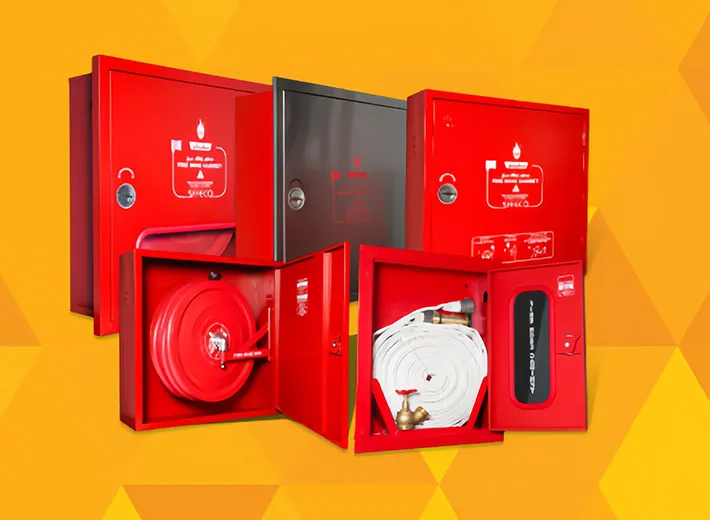
Un flujo de trabajo típico de una máquina de formateo en frío se ve así:
Este proceso continuo es la razón por la cual una solución de formateo en frío puede soportar un mayor rendimiento y mejor precisión y consistencia que la fabricación intermitente, especialmente para carcasas de gabinetes que necesitan agujeros alineados y bordes rectos.
Si estás construyendo carcasas de gabinetes con prensas y perforaciones separadas, aún puedes hacer buenas partes, pero escalar es más difícil. Las máquinas de formateo en frío brillan cuando deseas producción repetible.
Ventajas clave que muchas fábricas buscan:
Además, el formateo generalmente se realiza a temperatura ambiente o cerca de ella; esta es una de las razones por las que se agrupa bajo formateo en frío.
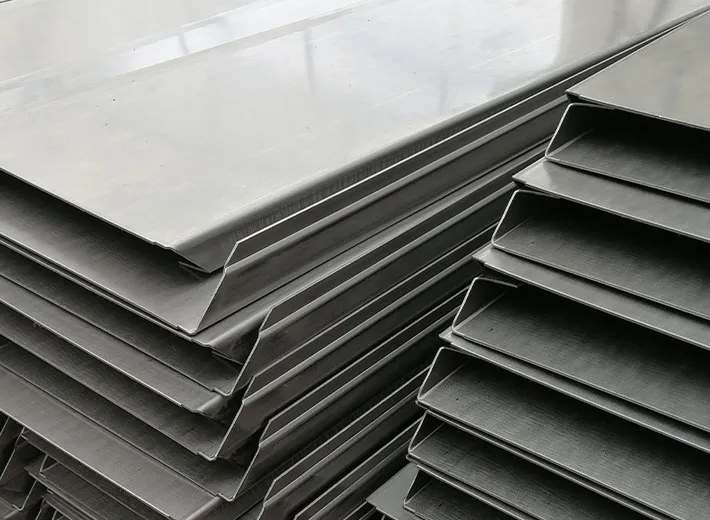
Si vendes internacionalmente, 'un tamaño de gabinete' rara vez funciona. Diferentes proyectos quieren diferentes:
Aquí es donde necesitas tanto personalización como disciplina de ingeniería.
Un proveedor capaz debería poder personalizar:
En el lado de Chenlong, la posición de la empresa enfatiza equipos personalizados y perfiles de forma especial para diferentes industrias, además de entrega completa y soporte de capacitación.
Consejo desde el lado del comprador: pide un 'paquete de confirmación de perfil' antes de la producción:
Muchos compradores no quieren líneas separadas para cada producto. Quieren una plataforma: una fábrica puede producir carcasas de gabinetes contra incendios hoy, y perfiles de bandejas de cables mañana.
En la práctica, esto depende de tu familia de productos:
Las soluciones del sitio de Chenlong abarcan perfiles relacionados con gabinetes eléctricos, recintos de protección contra incendios y bandejas de cables, por lo que la ruta de "multisectorial" es un objetivo real para muchos compradores.
Importante verificación de la realidad: cambiar entre tipos de productos puede requerir cambiar herramientas de rodillos (juegos de rodillos), guías y, a veces, matrices de punzonado. Así que sí, puede compartir una plataforma, pero debe planificar el tiempo de cambio y la gestión de herramientas.
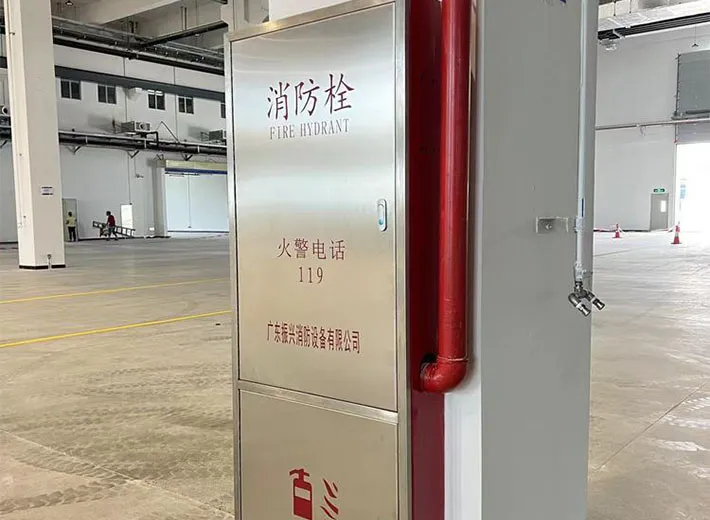
Aquí es donde AIDA se vuelve real: no solo está comprando una máquina, está comprando resultados.
La posición "acerca de nosotros" de Chenlong destaca equipos de formación en frío de alta precisión, sistemas automatizados llave en mano, fuerte sinergia de la cadena industrial, formación de doble vía y respuesta de servicio postventa las 24 horas, exactamente el tipo de apoyo que los clientes en el extranjero suelen querer.
Un fabricante regional que produce armarios para mangueras contra incendios tiene problemas con:
Después de cambiar a un enfoque integrado de formado en frío + punzonado + corte a medida:
Este es el momento de "Deseo": la fábrica no solo compra una máquina de formado en frío, compra días de producción más tranquilos.
El formado en frío modela el metal gradualmente a través de muchos rodillos en un proceso continuo, mientras que una prensa hidráulica hace dobleces discretos un paso a la vez. El formado en frío suele ser mejor para producciones largas y perfiles consistentes.
Sí. Muchas aplicaciones de gabinetes y recintos contra incendios utilizan acero recubierto de polvo o acero inoxidable para resistencia a la corrosión, dependiendo del entorno y las necesidades del proyecto.
Pida un mapa de agujeros, un plan de herramientas y muestras iniciales. También confirme la guía de tiras y el control de posición antes de punzonar; así es como protege las distancias del agujero al borde. (Esta es la mejor práctica estándar en configuraciones integradas de formado en frío + punzonado).
A menudo sí, pero depende de su familia de perfiles. Algunos cambios de tamaño requieren intercambios de herramientas o guías ajustables. El mejor enfoque es definir su serie de gabinetes temprano y construir un plan de personalización en torno a ella.
Solicite una propuesta completa: diseño, especificaciones de potencia, expectativas de ciclo, lista de herramientas, plan de FAT, lista de empaque y plan de formación. Los proveedores sólidos también ofrecen soporte logístico global y compromisos de respuesta al servicio.
Muchos compradores prefieren un solo socio para múltiples líneas de productos. Chenlong, específicamente, posiciona soluciones en gabinetes eléctricos, perfiles de bandejas de cables, recintos de protección contra incendios y productos relacionados con estanterías.
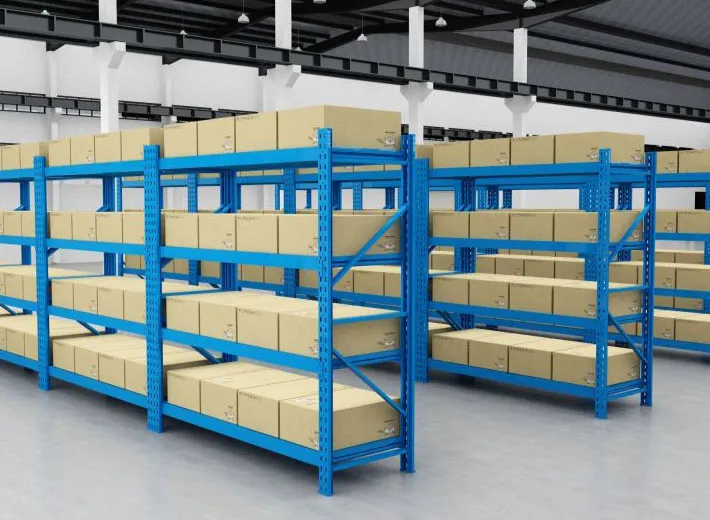
Moving a warehouse shelving line from standard to custom profiles changes four things: too…
Chenlong’s roof and wall panel line is a factory-based automated roll forming system…
Le responderemos en un plazo de 24 horas. Si para el caso urgente, por favor agregue WhatsApp/WeChat: +8613863639320,. O llame directamente a +8613863639320.
*Respetamos su confidencialidad y toda la información está protegida.
Sólo utilizaremos sus datos para responder a su consulta y nunca le enviaremos correos electrónicos o mensajes promocionales no solicitados.